World · World News Bureau
Super El Niño threatens extreme weather across Asia-Pacific region
Global weather forecasters warn that an exceptionally strong El Niño pattern developing in the Pacific Ocean could bring unprecedented heat, rainfall disruptions, and drought conditions across South and Southeast Asia. Scientists say the warming event may rank among the most powerful recorded.
LSN World News ·
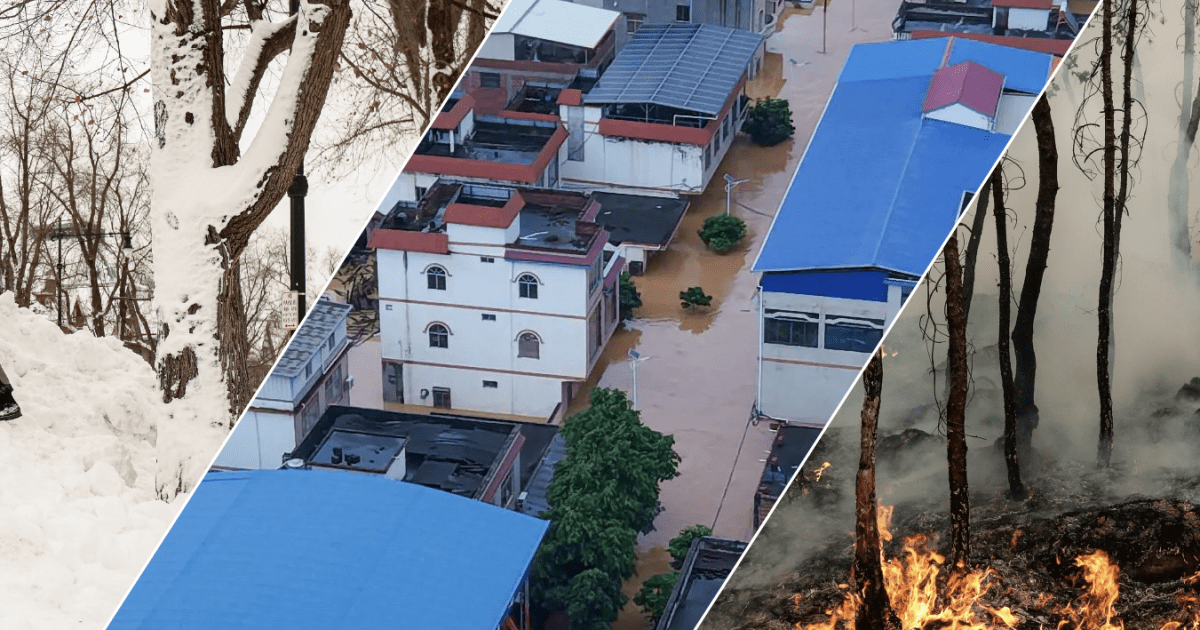
Meteorological agencies are tracking an intensifying El Niño pattern in the equatorial Pacific that shows signs of becoming exceptionally strong, potentially rivaling the most severe warming events on record. The phenomenon, characterized by unusually warm ocean temperatures across the central and eastern Pacific, is expected to significantly influence weather systems across the broader Asia-Pacific region through the coming months.
El Niño typically triggers a cascade of weather disruptions globally, including altered monsoon patterns, shifting rainfall distribution, and elevated temperatures. For South and Southeast Asia, a particularly strong event raises concerns about potential agricultural impacts, water security challenges, and increased heat stress on populations already contending with tropical climates.
The strengthening pattern comes as regional meteorological services are intensifying monitoring efforts and updating climate forecasts. Nations across the Indian subcontinent and Southeast Asia are preparing contingency plans for potential drought conditions in some areas, while remaining alert to the possibility of heavy precipitation events in others. Agricultural sectors, hydroelectric power generation, and water resource management are among the areas most vulnerable to significant disruption.
Experts emphasize that the full extent of El Niño's regional impacts will depend on the event's ultimate strength and precise timing, with forecasts continuing to evolve as additional ocean and atmospheric data becomes available. Governments and regional organizations are coordinating to ensure populations and critical infrastructure are adequately prepared for the range of potential weather scenarios.