World · Singapore Bureau
Support programmes ease emotional toll of long-distance parenting for migrant workers
Singapore's foreign workers increasingly rely on community organisations offering free guidance to manage family relationships across borders. Experts say structured support helps mitigate psychological strain from prolonged separation.
LSN Singapore ·
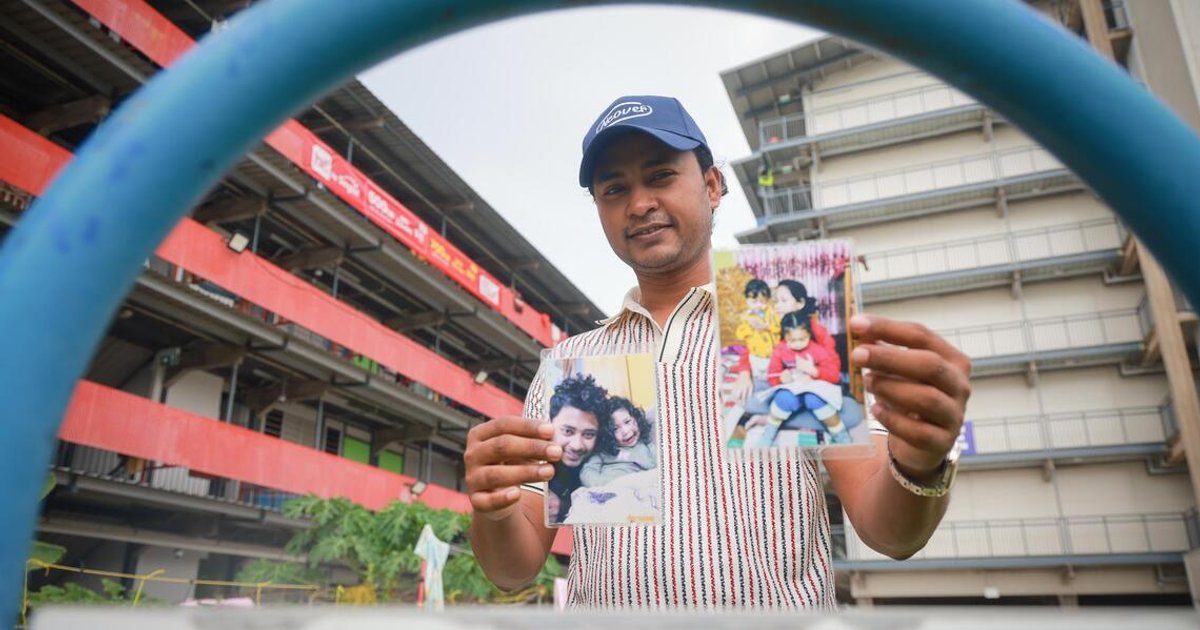
Thousands of migrant workers in Singapore face the daily challenge of raising children from afar, navigating the emotional complexities of maintaining parental bonds while living far from home. The physical distance creates unique pressures, from missed milestones to limited opportunities for direct parental involvement in children's upbringing and schooling.
Recognising this growing need, several organisations have launched initiatives to provide free programmes specifically designed to help foreign workers develop effective long-distance parenting strategies. These programmes offer guidance on communication techniques, managing discipline remotely, and maintaining emotional connections despite geographical separation. Participants learn practical approaches to bridge the gap created by prolonged absence from their children's daily lives.
Experts emphasise that structured support addresses not only parental concerns but also the psychological wellbeing of migrant workers themselves. The guilt and stress associated with separation can impact mental health and work performance. By equipping workers with coping mechanisms and communication skills, these programmes help reduce the emotional burden of transnational family arrangements.
The initiatives reflect Singapore's growing acknowledgment of migrant workers' contributions to the economy and their need for social support services. Community organisations continue expanding these programmes to reach more workers, recognising that investment in their family wellbeing ultimately strengthens workforce stability and social cohesion in the broader migrant community.