World · India Bureau
Supreme Court Addresses CBSE Three-Language Policy Implementation Concerns
India's Supreme Court heard arguments challenging the Central Board of Secondary Education's three-language framework after it was implemented mid-session in July. Petitioners raised concerns about resource constraints and teacher availability.
LSN India ·
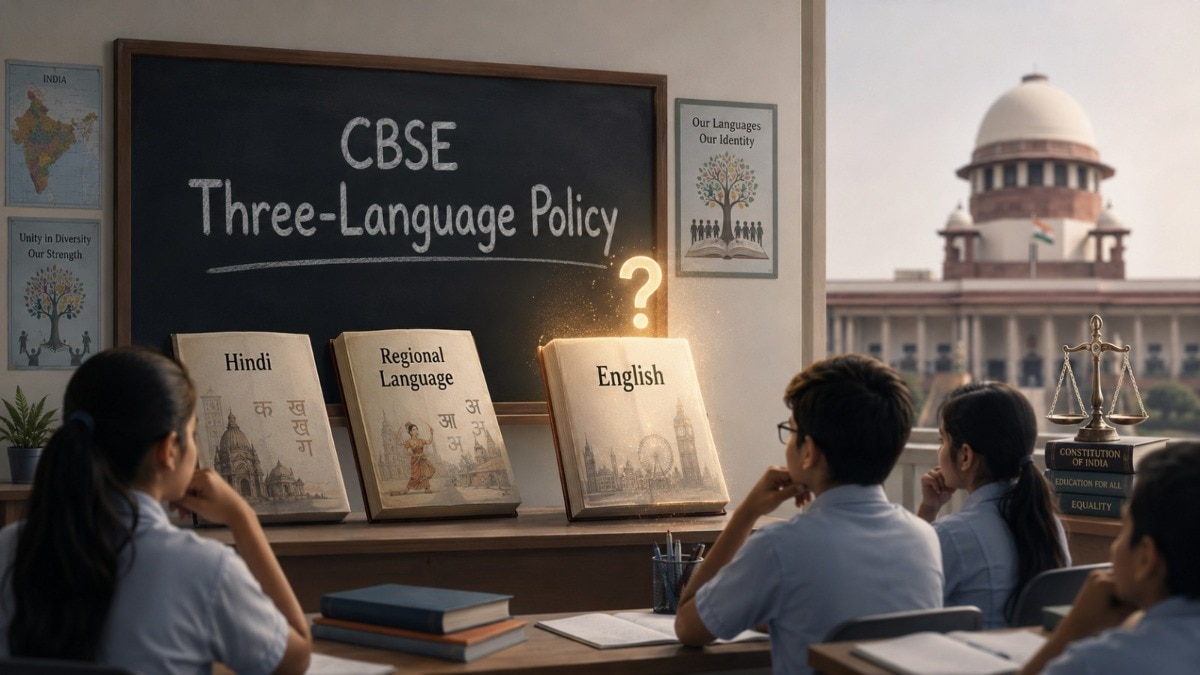
The Chief Justice of India's bench conducted extensive hearings on a petition challenging the CBSE's three-language policy, which was introduced abruptly from July 1 during the academic session. The petitioners contested the policy's implementation without adequate preparation, citing insufficient textbooks and a shortage of qualified educators to deliver instruction across three languages at the secondary level.
During the proceedings, the Additional Solicitor General addressed the court's concerns, providing clarification on the government's position regarding the policy rollout and its implementation framework. The ASG outlined measures being considered to address resource gaps and ensure the policy's effective execution across schools.
The bench examined the procedural aspects of introducing such a significant educational mandate mid-session and questioned officials about the preparedness of schools and institutions. Issues regarding curriculum alignment, teacher training, and availability of learning materials formed the core of the discussion.
The Supreme Court's intervention reflects growing concerns among parents and educators about the feasibility of implementing comprehensive language policies without sufficient groundwork. The court's examination of these concerns suggests the bench is considering whether additional time or modifications may be necessary for smooth implementation.
The hearing underscores ongoing tensions between educational policymaking at the national level and ground-level challenges in implementation across India's diverse school system.