Politics · Philippines Bureau
Supreme Court adopts child-friendly rules for court testimony in Philippines
The Philippine Supreme Court has approved revised rules allowing child witnesses—whether victims or accused—to testify without appearing in person in court. The new framework aims to protect minors from potential trauma during legal proceedings.
LSN Philippines ·
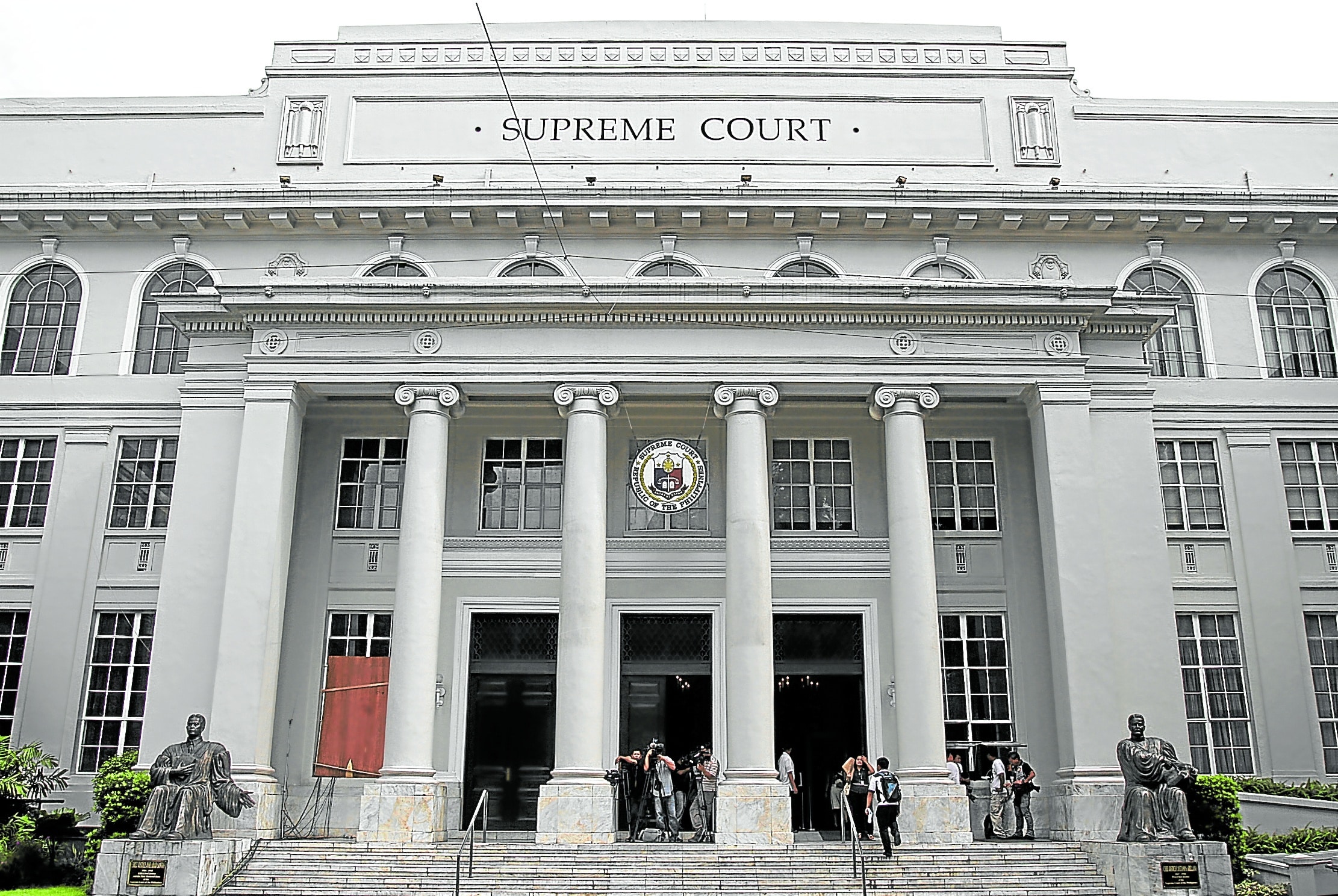
MANILA — The Supreme Court has enacted revised rules on child witness examination designed to shield young people from the psychological strain of in-person court appearances. Under the new framework, children involved in cases—both as victims and as accused parties—can now opt to provide testimony through alternative means rather than facing direct courtroom confrontation.
The revised rule recognizes that traditional court proceedings can compound trauma for child witnesses, particularly those testifying about abuse, exploitation, or other distressing circumstances. By enabling testimony without physical presence, the court aims to balance the rights of the accused to confront witnesses with the protection of vulnerable minors from further harm.
The Supreme Court's adoption of child-friendly examination procedures reflects growing international standards for juvenile justice systems. The measure addresses concerns raised by child advocacy groups and legal experts who have documented the adverse effects of conventional courtroom testimony on young witnesses.
Implementation of the new rules is expected to streamline proceedings while maintaining judicial fairness. Court officials have indicated that the specific mechanisms for alternative testimony—including video testimony, recorded statements, or closed-circuit arrangements—will be determined on a case-by-case basis, considering the child's age, maturity level, and the nature of the proceedings.