Business · India Bureau
Supreme Court affirms states' additional sales tax powers under old regime
A seven-judge bench of India's apex court has upheld the constitutional authority of states to impose additional sales tax under pre-GST legislation, though it noted the practical relevance of the ruling has diminished following the 2017 rollout of the unified goods and services tax regime.
LSN India ·
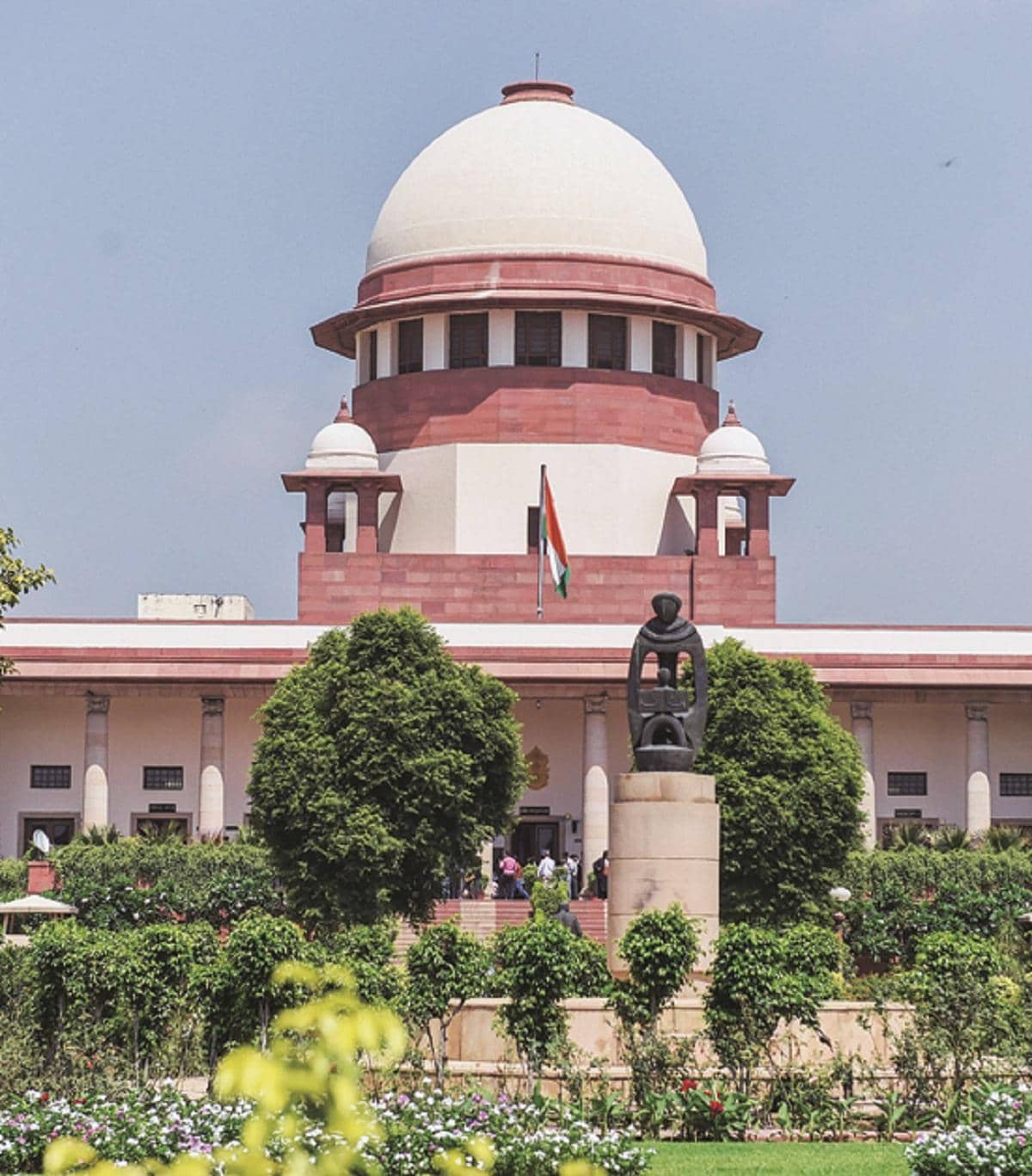
The Supreme Court of India has delivered a significant verdict on federalism and tax powers, ruling that states possessed the legitimate authority to levy additional sales tax under the taxation framework that preceded the Goods and Services Tax. The seven-judge constitutional bench's decision reaffirms the powers granted to state legislatures in matters of indirect taxation during the pre-GST era.
However, the court acknowledged that the implementation of GST in 2017 has substantially altered the tax landscape, rendering much of the judgment's practical application largely theoretical. The unified tax system consolidated multiple levies across the country, replacing the complex patchwork of state and central taxes that had previously characterised India's indirect taxation structure.
The ruling carries significance for constitutional interpretation and the balance of powers between the central government and state governments. It underscores the principle that states retain substantive legislative authority in areas specifically allocated to them under the Indian Constitution, even as the tax regime has undergone fundamental restructuring in recent years.
The verdict addresses questions that, while resolved in principle, have diminished contemporary relevance given the GST framework now governs most goods and services taxation across India. Nonetheless, the bench's affirmation of state powers reinforces constitutional protections for federal taxation authority.