Politics · India Bureau
Supreme Court bars BCI from disciplining law students
India's Supreme Court has ruled that the Bar Council of India and state bar councils lack statutory authority to take disciplinary action against law students, stating that such matters fall within the purview of educational institutions.
LSN India ·
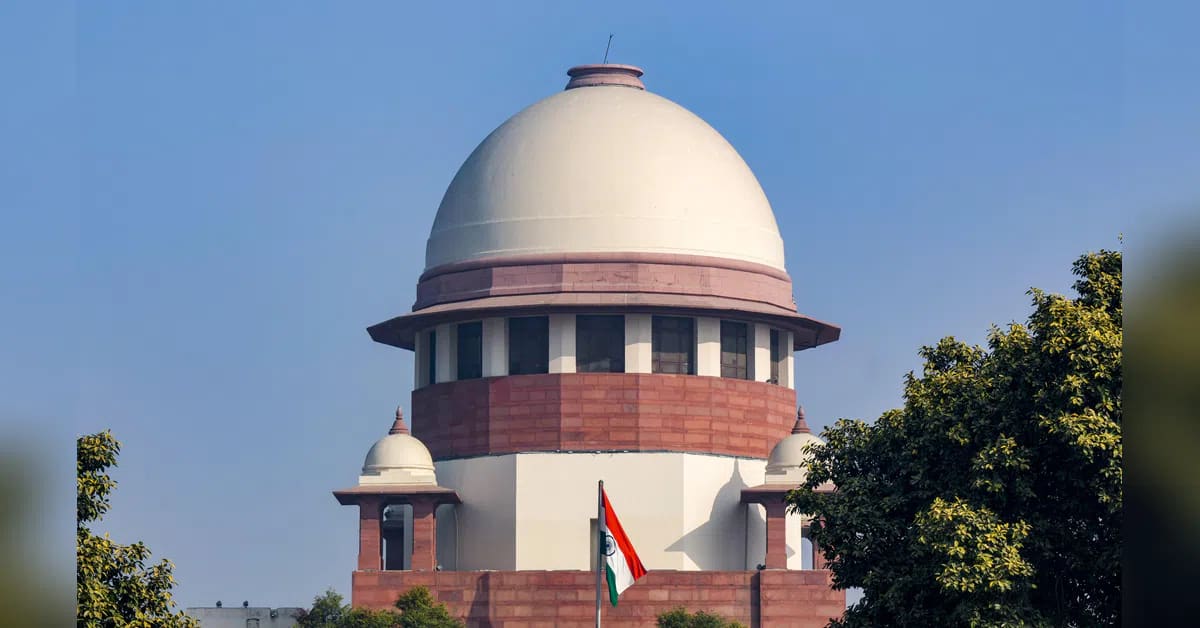
The three-judge bench of Chief Justice Surya Kant and Justices Joymalya Bagchi and V Mohana delivered the ruling on Thursday while examining a dispute involving the BCI's action against students at Hyderabad's NALSAR University of Law. The students had objected to the Chief Justice of India's proposed participation in the university's convocation ceremony.
The court held that the Advocates Act, 1961, under which the Bar Council of India was statutorily established, does not grant express or implied powers to the BCI or state bar councils to initiate disciplinary proceedings against law students. "Such powers only accrue following the registration of a law graduate as an advocate under the said Act," the bench stated in its order.
According to the judgment, regulatory authority over student conduct remains the responsibility of educational institutions themselves, which must act in accordance with their own established regulatory frameworks and institutional norms. This distinction clarifies the boundaries between professional regulation of practicing advocates and institutional governance of students.
The decision effectively curtails the BCI's enforcement scope and reaffirms the autonomy of law schools in managing student discipline matters independently, without interference from bar council authorities.