Politics · India Bureau
Supreme Court Bars Indefinite Protest Site Occupation; US Votes in Midterm Elections
India's Supreme Court has ruled that no group can occupy a protest site indefinitely, marking a significant intervention in the nation's protest dynamics. Simultaneously, Americans voted in midterm elections that will determine control of Congress.
LSN India ·
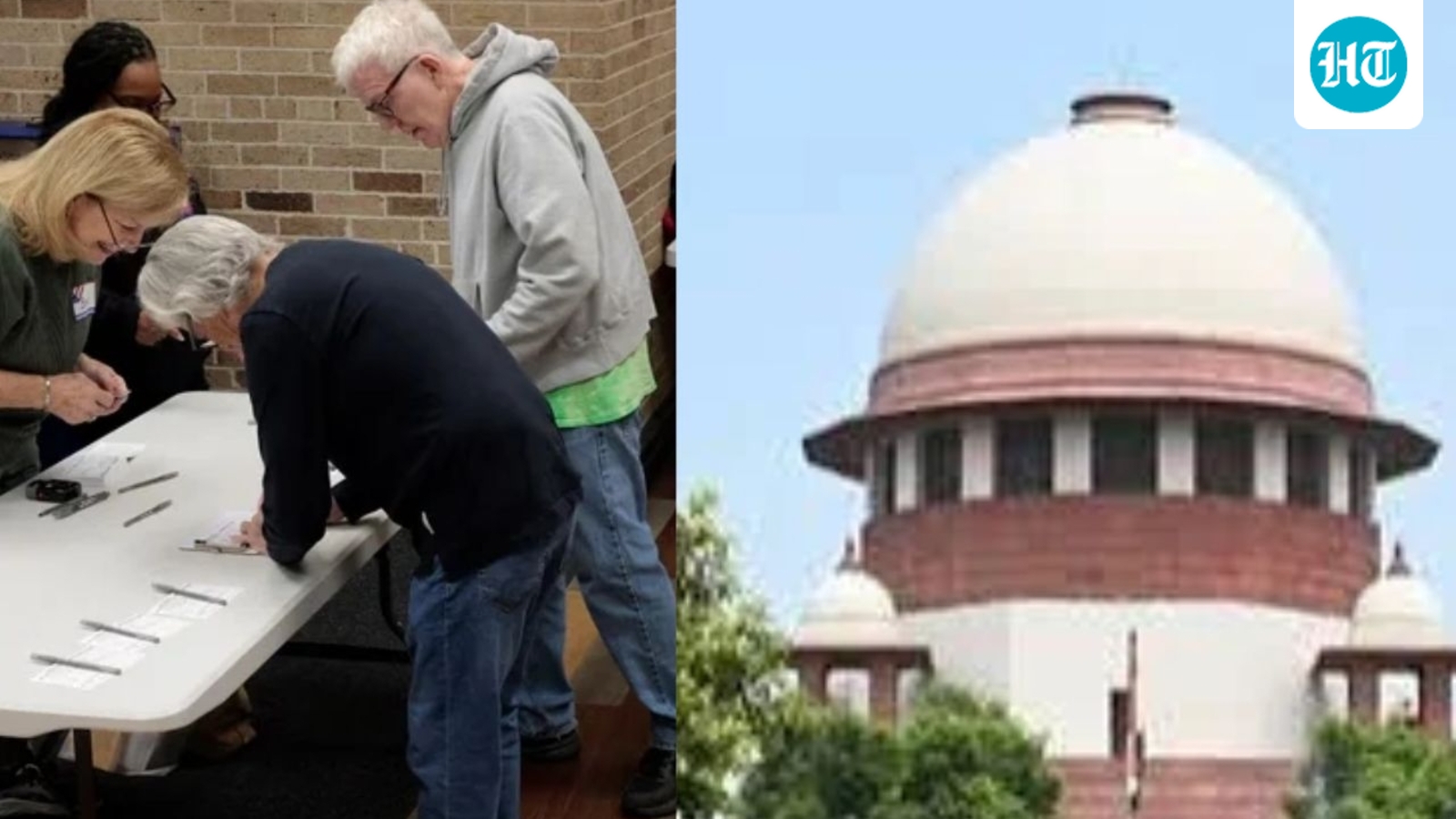
The Supreme Court of India delivered a significant judgment on protest-site occupations, establishing that no group can maintain indefinite control over public spaces used for demonstrations. The ruling addresses a longstanding issue regarding the balance between citizens' constitutional right to protest and the state's interest in maintaining public order and access to shared resources. The decision is expected to have far-reaching implications for how protest movements operate across the country and how authorities manage demonstration sites.
In a separate major development affecting global politics, the United States held its midterm elections, a crucial electoral event that determines control of both houses of Congress. These elections, held in early November, represent a significant moment in American governance, with results likely to shape legislative priorities and policy direction for the remainder of the incumbent administration's term.
The Supreme Court's intervention on protest sites comes at a time when India has witnessed prolonged demonstrations on various issues, from agricultural reforms to workers' rights. The judgment seeks to establish clear legal parameters around the duration and nature of protest-site occupations, potentially affecting how future demonstrations are conducted and regulated across Indian cities.
The outcomes of both developments—the Supreme Court's ruling and the US midterm results—reflect broader global conversations about democratic participation, the right to protest, and the balance between individual freedoms and public governance. These events underscore how democracies worldwide continue to negotiate the complex relationship between protest rights and regulatory frameworks.