Politics · India Bureau
Supreme Court bars judiciary from recommending police custody interrogation
The Supreme Court has clarified that courts cannot suggest custodial questioning during criminal investigations. The ruling establishes important boundaries between judicial oversight and investigative agency autonomy.
LSN India ·
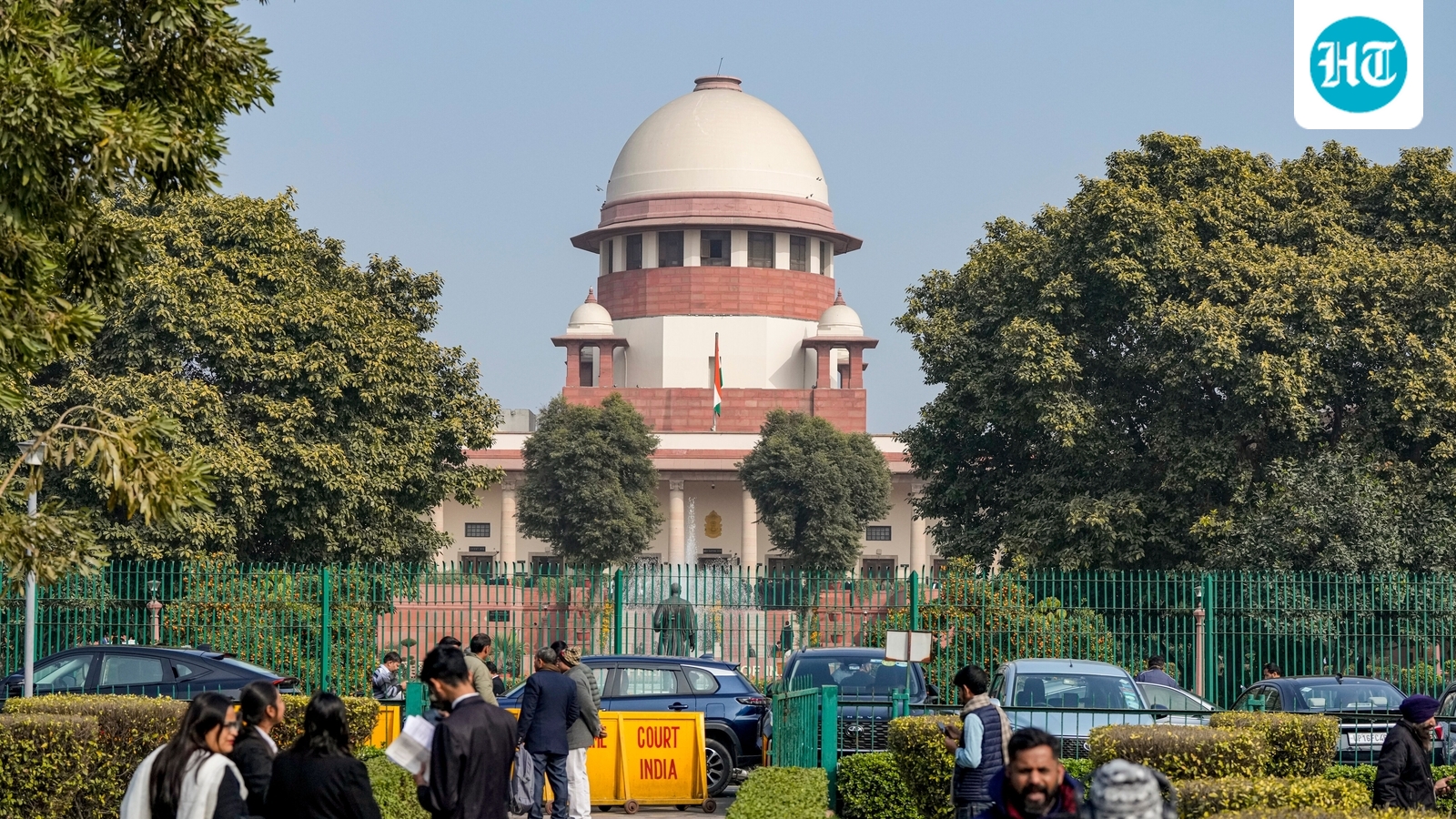
The Supreme Court has reinforced constitutional protections against custodial interrogation by clarifying that the judiciary cannot recommend such questioning to investigating agencies, even in criminal cases. The judgment distinguishes between the court's supervisory role and the operational discretion available to law enforcement during investigations.
The ruling emphasizes that while courts retain the authority to evaluate the legality and necessity of custody petitions, they cannot direct or suggest the mode of interrogation to investigating officers. This demarcation protects citizens from potential coercion while preserving investigative agencies' procedural independence in conducting interrogations within lawful parameters.
The decision is particularly significant for reinforcing Article 20(3) of the Constitution, which protects individuals from self-incrimination during custodial proceedings. By preventing judicial interference in interrogation methodology, the Supreme Court has sought to maintain clear institutional boundaries and ensure that investigative decisions rest solely with law enforcement authorities.
This pronouncement comes at a time when concerns about custodial practices remain a focal point in criminal justice discourse. The Supreme Court's position balances investigative efficiency with constitutional safeguards, allowing investigating agencies to determine interrogation approaches while courts retain oversight of detention legality and duration.
The judgment is expected to guide lower courts and investigating agencies in understanding the limits of judicial intervention in police interrogation procedures. Legal experts view the ruling as a clarification that strengthens procedural fairness in criminal investigations across Indian jurisdictions.