Politics · India Bureau
Supreme Court bars NSA detention based solely on confession
The Supreme Court has imposed a ₹10 lakh penalty on the Uttar Pradesh government for invoking the National Security Act against an accused in the Sambhal mosque violence case based primarily on confessional evidence.
LSN India ·
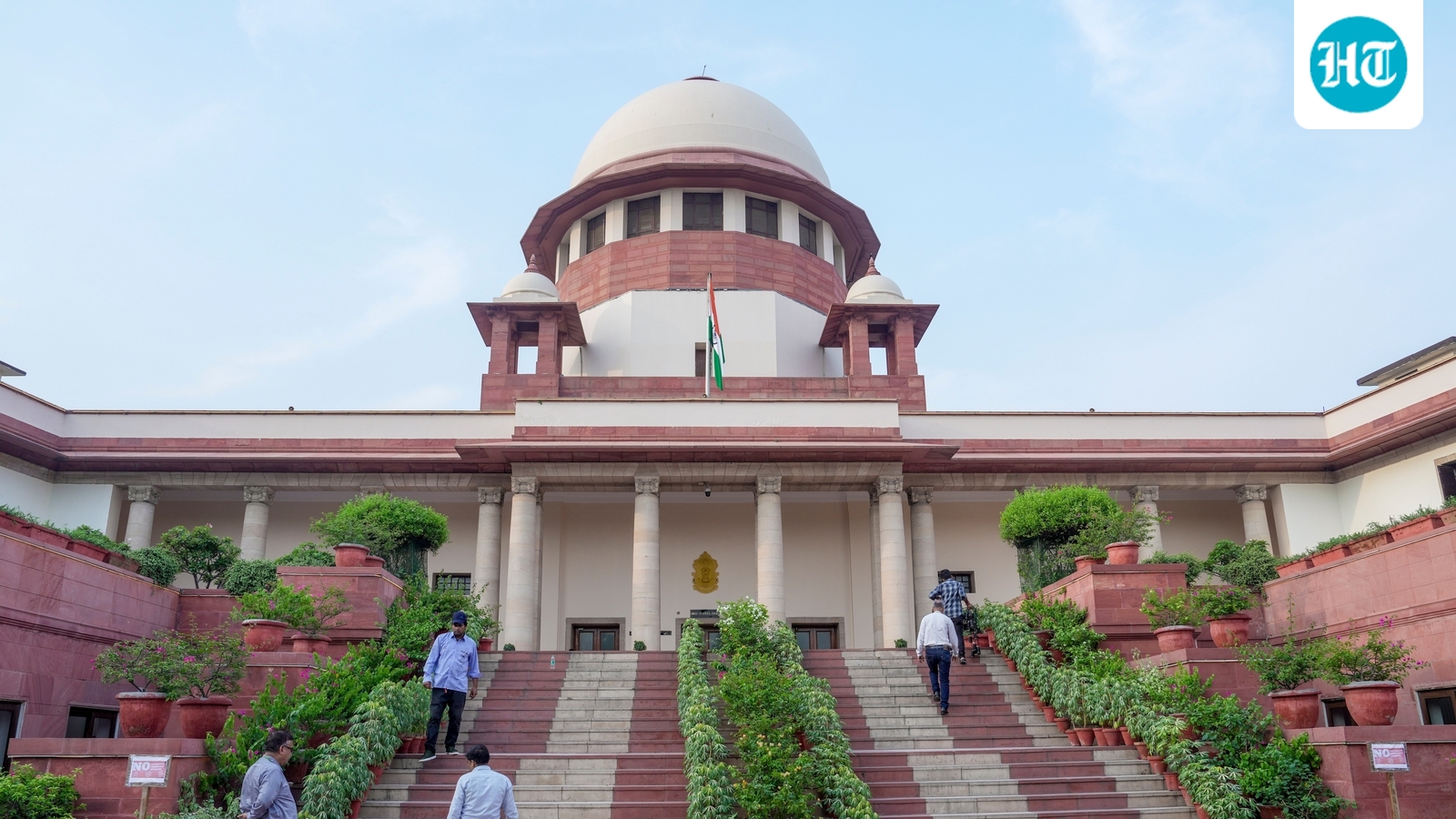
The Supreme Court has delivered a significant ruling on the application of the National Security Act, holding that authorities cannot detain individuals under the stringent law on the basis of confession alone. The judgment came as the court imposed a substantial cost of ₹10 lakh on the Uttar Pradesh government for passing a detention order against an accused in connection with the Sambhal mosque violence case.
The court's decision underscores judicial oversight of how preventive detention laws are invoked by state governments. The National Security Act, which permits detention without formal charges for up to 12 months, is one of India's most restrictive laws and requires strict adherence to procedural safeguards.
This ruling is expected to set an important precedent for the proper application of the NSA across the country. Courts have increasingly scrutinized the use of such laws, emphasizing that detention orders must be grounded in concrete evidence of a threat to national security or public order, rather than relying on statements made by accused persons.
The penalty imposed on the Uttar Pradesh government signals the court's commitment to ensuring that fundamental rights protections are not compromised through the misuse of preventive detention laws. Legal experts note that the judgment reinforces the principle that confessions, particularly those obtained in police custody, cannot serve as the sole basis for invoking extraordinary powers under the NSA.