Politics · India Bureau
Supreme Court challenges Election Commission's voter flagging during revision process
The Supreme Court has questioned the Election Commission's methodology in using Form 6 and 'logical discrepancy' notices to flag voters during the Supplementary Integrated Report revision. The court clarified it had not endorsed the Commission's approach to voter identification during this process.
LSN India ·
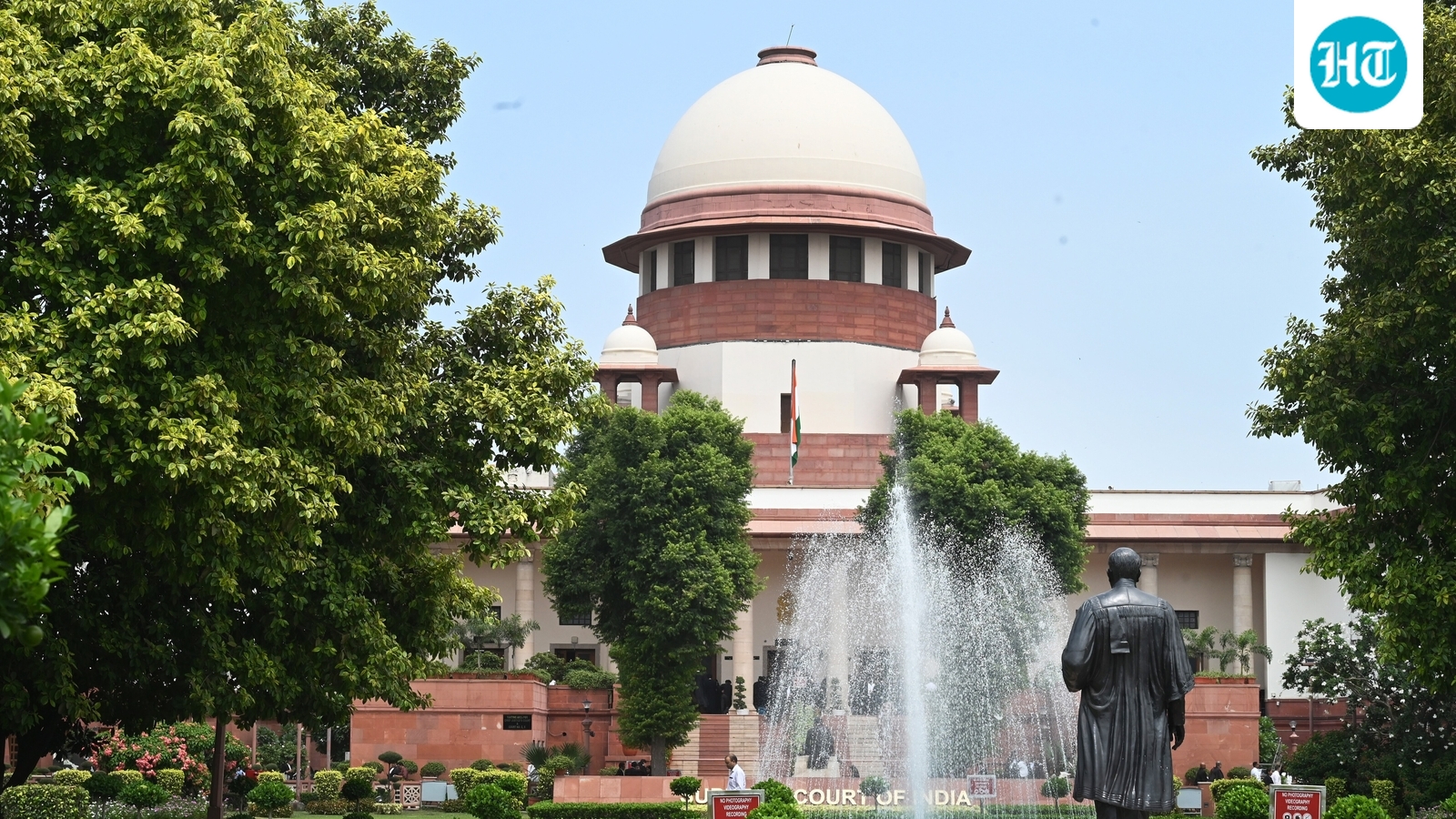
The Supreme Court has raised significant concerns over the Election Commission of India's use of Form 6 and 'logical discrepancy' notices in flagging voters during the revision process for Supplementary Integrated Reports (SIR).
During hearings, the court made clear that it had not upheld or approved the Election Commission's categorization methodology for identifying voters marked with 'logical discrepancies' during the SIR revision. The questioning suggests judicial scrutiny of the Commission's administrative procedures in managing voter rolls and the criteria applied to detect inconsistencies.
The issue touches on a critical aspect of electoral administration—the accuracy and legitimacy of voter identification processes. Form 6, a standard election document, and the 'logical discrepancy' classification are key tools used by the Election Commission when reviewing and revising voter registrations to ensure electoral integrity.
The court's intervention indicates potential concerns about due process and whether the current methodology adequately protects voter interests while maintaining electoral credibility. The outcome of these proceedings could have implications for how the Election Commission conducts future voter roll revisions across the country.