Politics · India Bureau
Supreme Court clamps down on viral court footage stripped of context
As live-streamed court proceedings grow in popularity, the Supreme Court has issued an interim order restricting the circulation of edited courtroom videos on social media. The move raises questions about balancing judicial transparency with concerns over decontextualised viral content.
LSN India ·
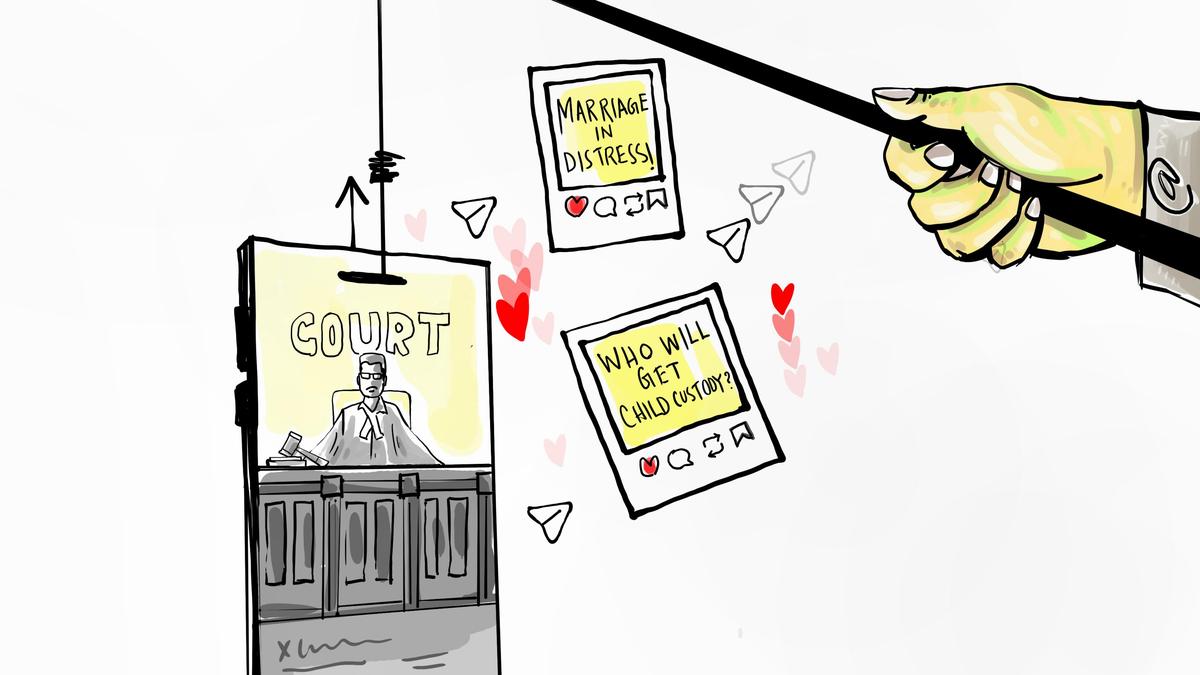
The Supreme Court's recent interim order targeting the circulation of edited courtroom footage reflects growing concerns about how judicial proceedings are being packaged for social media consumption. Live-streaming and virtual hearings have dramatically increased public access to the courts, allowing citizens unprecedented visibility into India's judicial system. However, the same technology has enabled users to clip portions of proceedings, strip them of context, and repost them across platforms for maximum engagement—a practice that often distorts the substance of judicial pronouncements.
The proliferation of bite-sized courtroom clips has created a tension between two important principles: the public's right to judicial transparency and the integrity of legal proceedings themselves. When fragments are extracted from longer hearings, they can misrepresent the court's reasoning, confuse viewers about procedural matters, and reduce complex legal arguments to sensational soundbites. The interim order seeks to curb this practice, though implementation raises practical challenges in an era where digital sharing is nearly instantaneous.
For younger audiences accustomed to consuming news through short-form video platforms, the restrictions may limit their exposure to courtroom proceedings. At the same time, uncontextualised clips risk creating a distorted public understanding of judicial outcomes. Legal experts and civil society groups are divided on whether such restrictions strengthen judicial accountability or undermine it by controlling the narrative around court proceedings. The coming weeks will clarify how the Supreme Court intends to enforce these guidelines and what exceptions, if any, will apply to legitimate journalistic use of courtroom footage.