Politics · India Bureau
Supreme Court clarifies forest rights: traditional livelihoods protected from eviction
India's Supreme Court has drawn a clear distinction between traditional forest-based livelihoods and commercial cultivation, establishing new parameters for who can claim rights over forest land. The ruling provides enhanced protections against eviction for indigenous and traditional forest communities while tightening restrictions on commercial activities.
LSN India ·
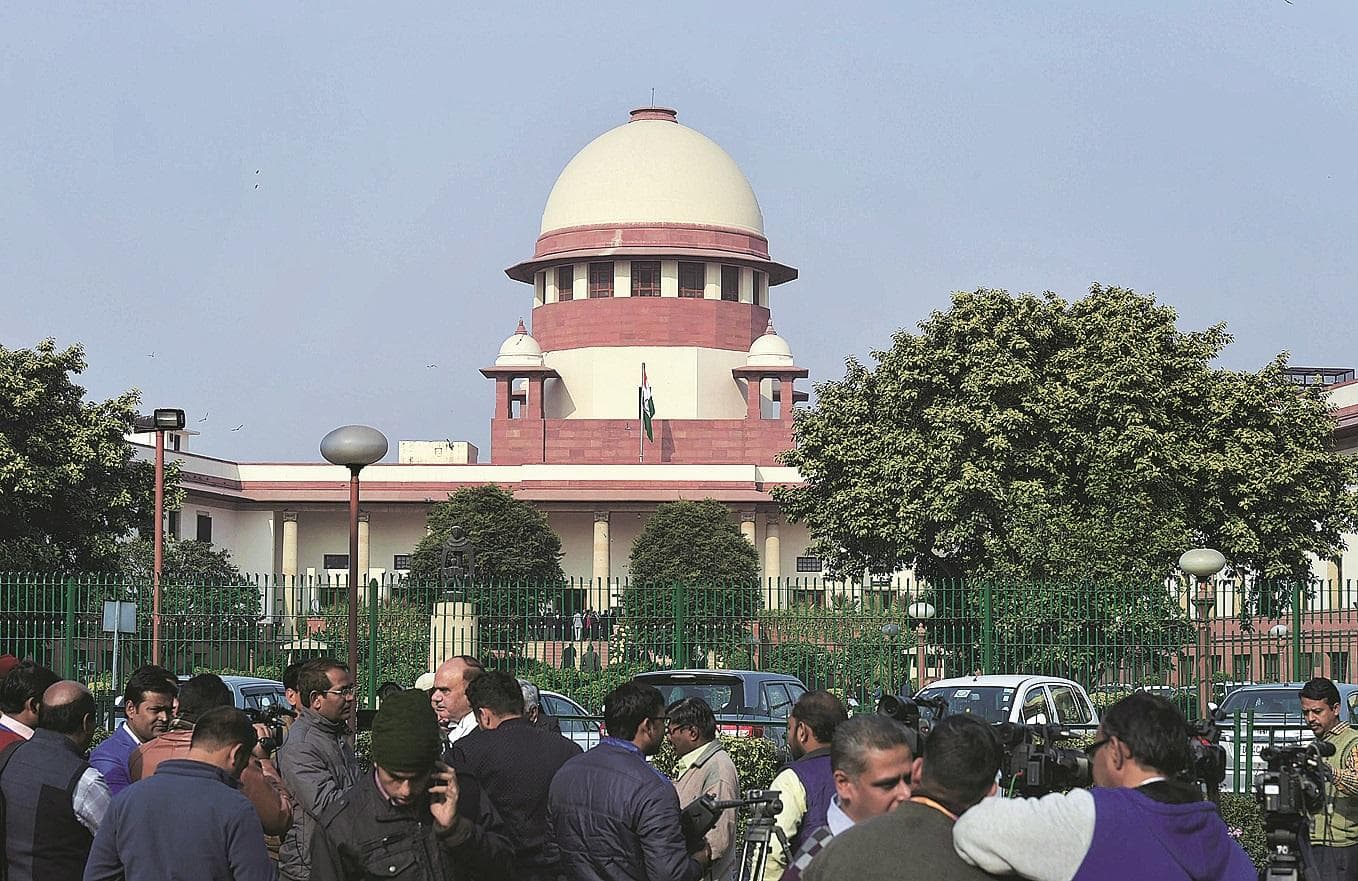
The Supreme Court's latest judgment addresses long-standing ambiguities in the implementation of the Forest Rights Act, setting forth clear criteria to determine legitimate claimants to forest land and their protections under law. The court's distinction between subsistence-based livelihoods—such as collection of forest produce, hunting, and pastoral activities traditionally practiced by forest-dwelling communities—and commercial cultivation marks a significant clarification in forest governance.
Under the ruling, individuals and communities engaged in traditional forest-based livelihoods gain enhanced legal safeguards against arbitrary eviction. The judgment recognises that such livelihoods represent a historical relationship between communities and forest ecosystems, warranting constitutional protection. Conversely, those seeking to undertake commercial cultivation on forest land face stricter scrutiny and reduced legal protections.
The Supreme Court's decision reinforces the Forest Rights Act's intended purpose of recognising the rights of forest-dwelling scheduled tribes and other traditional forest communities. By distinguishing livelihood categories, the judgment creates a more structured framework for land claim adjudication while preventing misuse of forest rights provisions for commercial profit-making.
The ruling is expected to influence pending forest rights claims across India and guide state governments and revenue authorities in processing applications. Legal experts note the decision addresses a critical gap in forest rights jurisprudence, providing clarity that both claimants and administrators have long sought.