Politics · India Bureau
Supreme Court Clarifies OBC Creamy Layer Income Criteria for Reservation
The Supreme Court has provided important clarifications on what constitutes the creamy layer among OBC candidates, addressing whether parental income alone determines eligibility for reservation benefits. The ruling revisits decades-old guidelines on calculating financial thresholds for OBC classification.
LSN India ·
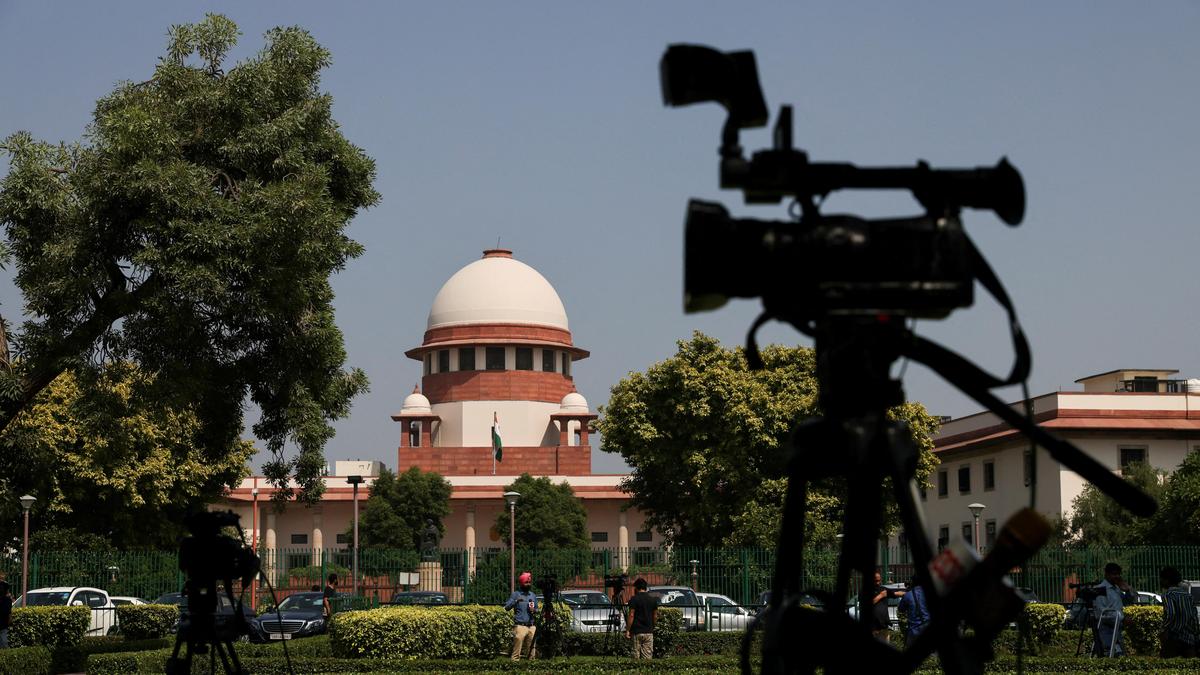
The Supreme Court has issued a significant judgment on the criteria used to determine creamy-layer status among Other Backward Classes (OBC) candidates seeking reservation benefits in educational institutions and government employment. The ruling addresses a longstanding ambiguity about whether parental income serves as the sole factor in disqualifying candidates from OBC reservations.
At the heart of the matter is the interpretation of the 1993 Office Memorandum, which established initial guidelines for identifying the creamy layer within OBC communities. This memorandum set income thresholds to exclude economically advanced families from claiming OBC reservation benefits, a mechanism designed to ensure reservations reach genuinely disadvantaged sections of the OBC population.
The Court's judgment revisited a 2004 clarification that modified how these income criteria should be applied. The 2004 guidelines sought to streamline the assessment process and provide clearer benchmarks for educational institutions and recruitment bodies to follow when evaluating OBC candidates' eligibility. The Supreme Court's latest pronouncement aims to settle disputes arising from differing interpretations of these two key policy documents.
The clarification carries substantial implications for thousands of OBC candidates across India who apply annually for competitive examinations, university admissions, and government positions. By establishing definitive parameters for creamy-layer determination, the ruling seeks to create uniformity in how states and institutions apply reservation criteria, reducing administrative inconsistencies and legal challenges.
Examinees and candidates are advised to consult official notifications from their respective states and institutions, as implementation guidelines may vary. The judgment reinforces that reservation policy assessments must consider the complete financial profile of candidates' families, rather than relying on any single income indicator.