Politics · India Bureau
Supreme Court clarifies religious conversion rules on reservation benefits
India's top court has ruled on a case involving a man who converted from Hinduism to Islam, clarifying how religious conversion affects eligibility for reserved category benefits. The judgment addresses key questions about when individuals lose access to reservation quotas after changing faith.
LSN India ·
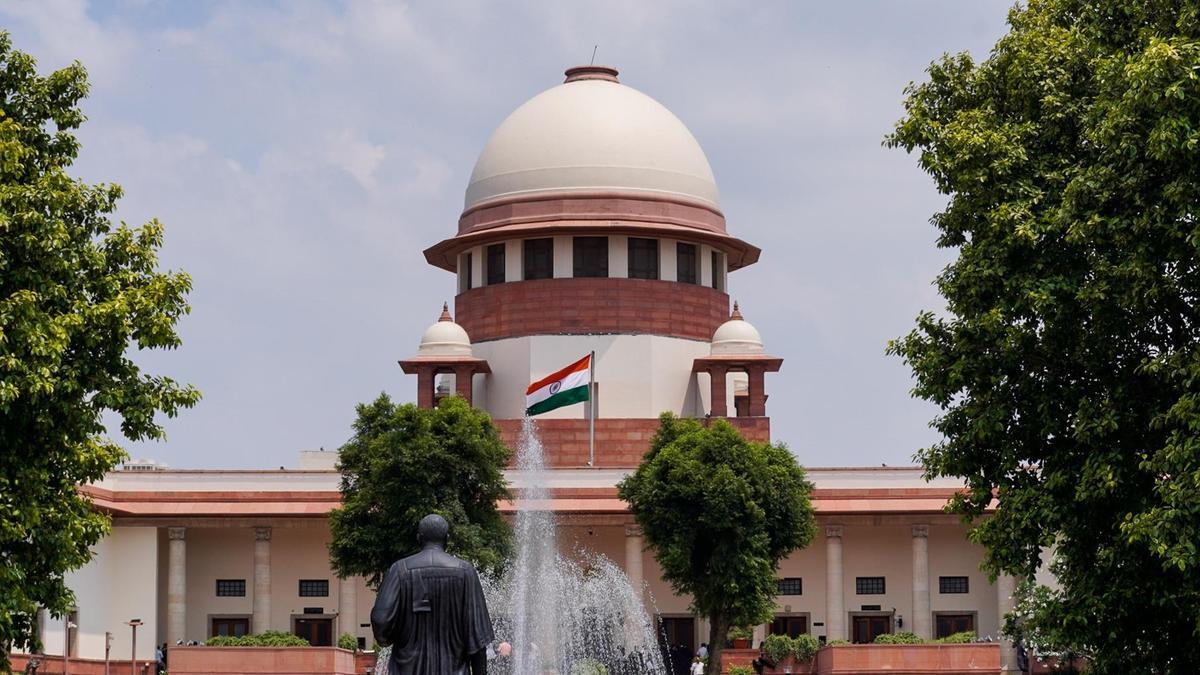
The Supreme Court has delivered a significant ruling in the case of Secretary to Government versus Sameer Ahamed N., settling a dispute over reservation benefits and religious conversion. The case centred on a man born to Hindu parents in Thoothukudi district, Tamil Nadu, in 1993, who voluntarily converted to Islam in September 2015.
The case raised fundamental questions about the intersection of personal religious liberty and constitutional provisions on reservations. At issue was whether individuals who convert from religions eligible for scheduled caste or scheduled tribe reservations lose access to those benefits upon adopting a new faith, and when such loss of eligibility takes effect.
The judgment carries implications for thousands of individuals across India who have undergone religious conversion and may be affected by reservation policies. Constitutional experts noted that the ruling attempts to balance the state's interest in protecting reserved categories with individual freedom of religion guaranteed under Articles 25 and 26 of the Constitution.
Reservation eligibility has historically been tied to religious identity in India's affirmative action framework. The court's decision provides clarity on how state authorities should process applications and determine benefits eligibility when religious conversion is involved, establishing a precedent for future cases.