Business · India Bureau
Supreme Court clarifies state powers on legacy tax disputes before GST era
A significant Supreme Court ruling has clarified the scope of state authority under pre-GST taxation laws, offering crucial guidance for businesses contending with outstanding tax demands and pending refund claims from the pre-2017 period.
LSN India ·
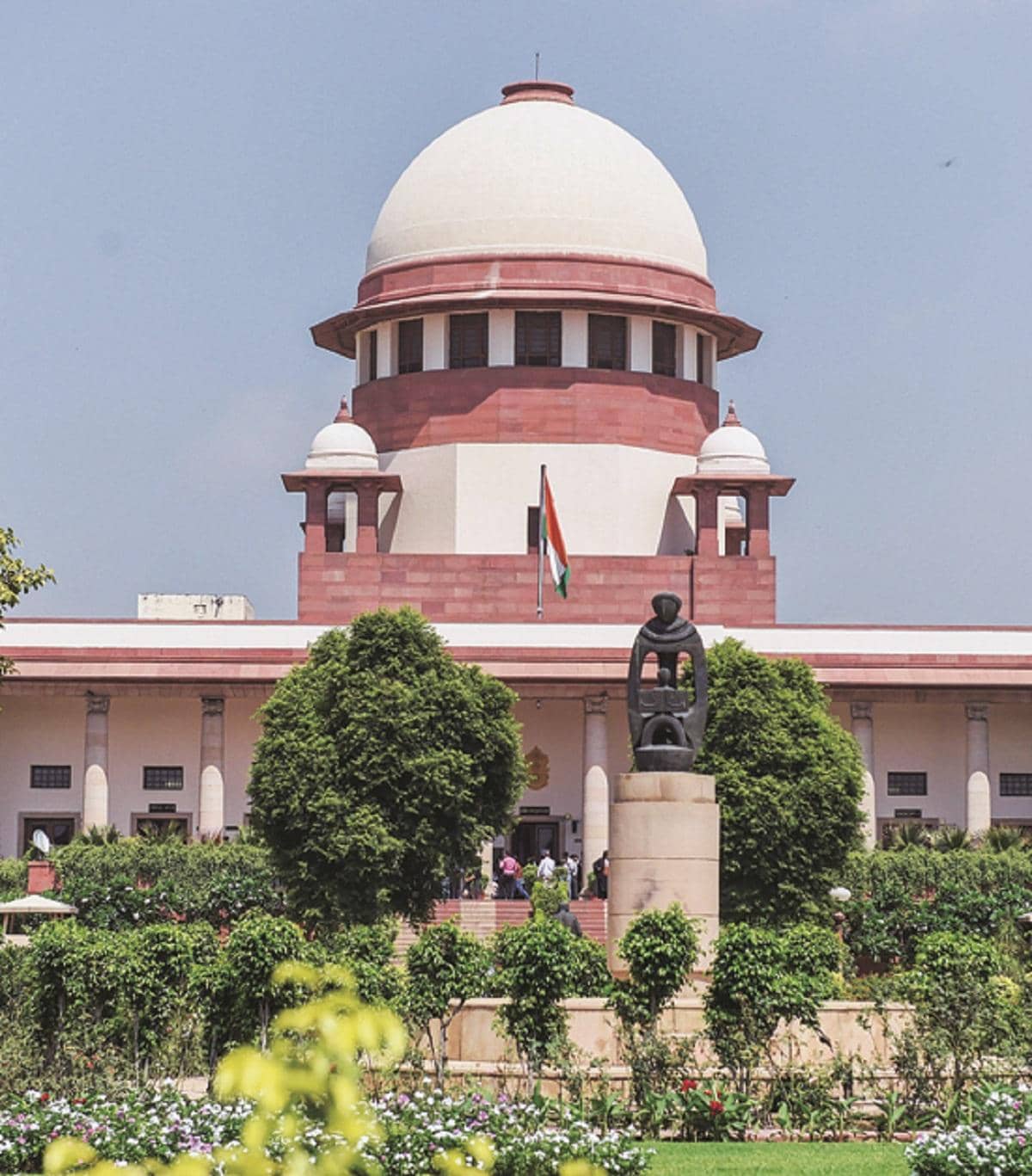
The Supreme Court's judgment addresses a critical gap in India's tax administration by delineating how states can exercise their powers under sales tax and other levies imposed before the implementation of the Goods and Services Tax in July 2017. The ruling provides a definitive framework for resolving disputes that have remained pending across various state jurisdictions, affecting thousands of businesses with unresolved tax liabilities from the pre-GST regime.
For businesses grappling with legacy tax notices and demands, the judgment offers important clarity on the enforceability and validity of claims issued under erstwhile state tax laws. The court's interpretation establishes clear boundaries on state authority, preventing arbitrary reassessments and providing a measure of certainty for companies still negotiating settlements for historical tax periods.
The ruling also addresses the mechanism for handling refund claims that businesses have filed for taxes paid or deposited during the pre-GST era. Many companies have sought reimbursement for amounts they believe were overpaid or incorrectly levied, and the judgment outlines the procedural and substantive framework governing such claims.
Tax experts indicate the decision will likely accelerate the resolution of long-pending disputes that have burdened corporate balance sheets for years. State tax authorities will now operate within clearer parameters when reviewing or pursuing outstanding tax demands, potentially reducing the backlog of cases in tax tribunals and appellate forums across the country.