Politics · India Bureau
Supreme Court: Consensual intimacy cannot be deemed rape after relationship ends
India's Supreme Court has cautioned against retrospectively classifying consensual physical relations as rape simply because a romantic relationship has failed. The bench emphasized the need to distinguish between relationships ending and deliberate sexual deception.
LSN India ·
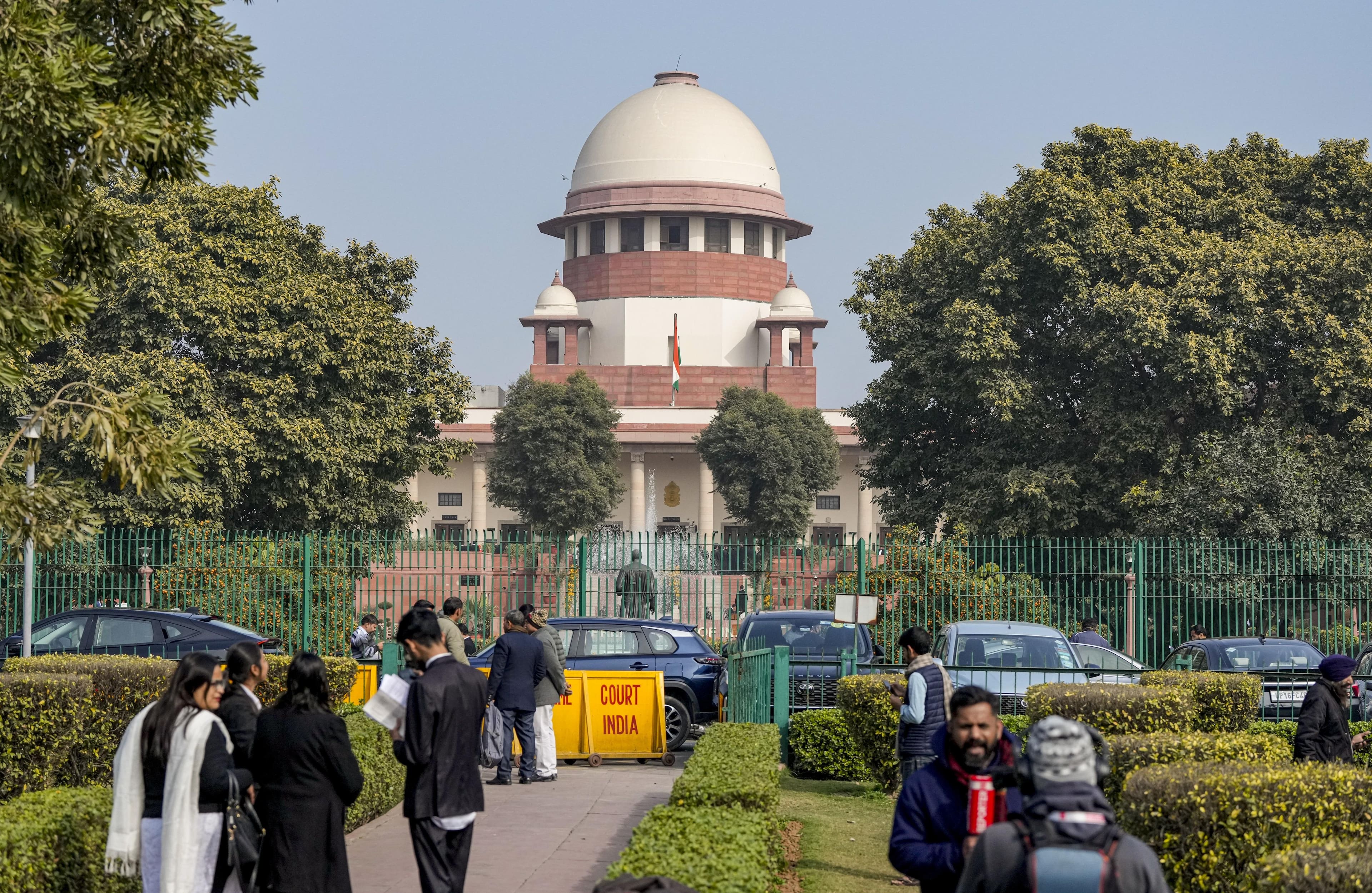
The Supreme Court on Friday expressed concern over a growing trend of criminal complaints being filed following the breakdown of romantic relationships, cautioning against redefining consensual intimate acts as rape in hindsight.
A bench comprising Justices B V Nagarathna and R Mahdevan discharged a Kerala man of rape and cheating charges, observing that physical intimacy occurring during an active relationship cannot be retrospectively classified as rape merely because the relationship subsequently deteriorated or ended.
"There is a crucial distinction between cases where sexual consent is legally void from inception due to deliberate deception and fraud, and situations where individuals experience regret for past consensual acts following relationship breakdown," the bench noted in its judgment.
The court emphasized that such retrospective reflections alone cannot transform what were consensual relations into criminal offences. "Hindsight regret, while unfortunate, cannot independently convert a consensual relationship into rape," the judges stated, underscoring the need for clearer legal standards in such matters.
The decision reflects growing judicial concern about the misuse of rape provisions in cases stemming from failed relationships, while maintaining protections against genuine sexual offences involving fraud or deception in obtaining consent.