World · India Bureau
Supreme Court declines to restrain Gyanesh Kumar, cites insufficient grounds
The Supreme Court has refused to issue an interim order against Gyanesh Kumar, stating it cannot base judicial decisions on media reports alone. The court clarified that any subsequent decisions violating Election Commission statutory requirements could be challenged.
LSN India ·
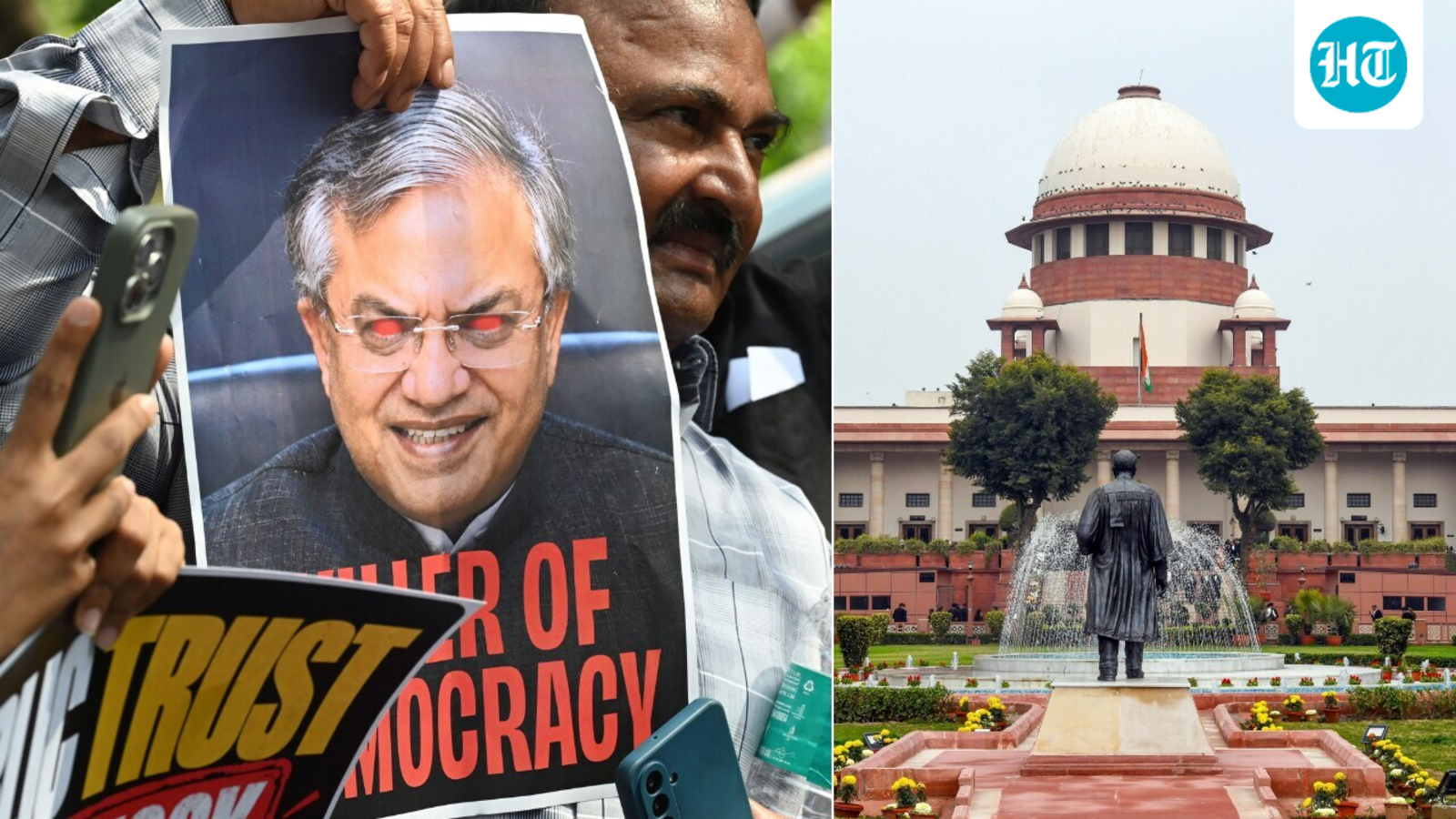
The Supreme Court bench declined to grant a restraining order against Gyanesh Kumar on Tuesday, emphasizing that judicial intervention cannot be premised on news reports or unverified claims. The bench made clear that such orders require substantive legal grounds and proper evidence before the court.
However, the court signaled that it remains open to addressing potential violations of the Election Commission of India's statutory mandate. The bench noted that any decision found to contravene the ECI's governing regulations could subsequently be subject to injunction or other remedial measures through appropriate legal channels.
The ruling underscores the judiciary's cautious approach to interim relief, particularly in matters touching on electoral processes and institutional decision-making. The court's position suggests that while it will not act on unverified reports, it will examine substantive challenges to ECI decisions if properly brought before it with supporting evidence and legal arguments.
The decision reflects broader judicial principles requiring that orders restraining individuals or institutions be grounded in established law and factual records, rather than speculative or media-derived information.