Politics · India Bureau
Supreme Court enlists youth to drive waste management awareness among adults
India's apex court has directed district authorities to leverage younger generations in educating households and communities about solid waste management responsibilities. The directive challenges the prevailing notion that waste management is solely the domain of sanitary workers.
LSN India ·
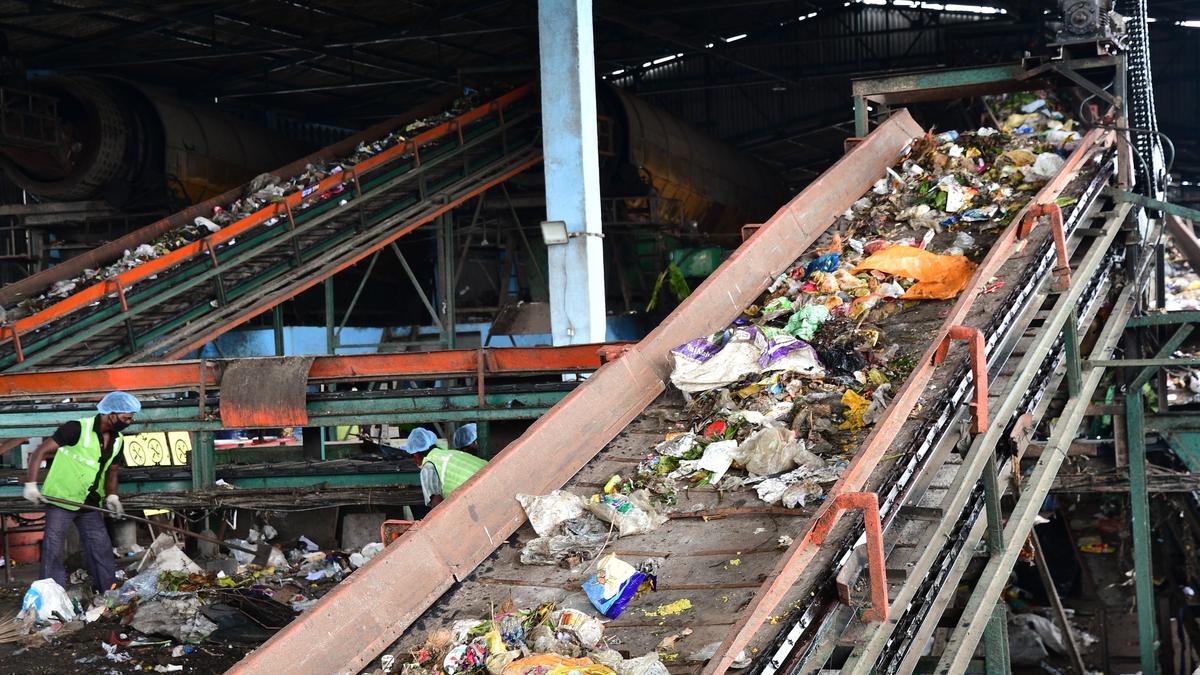
The Supreme Court of India has moved to engage younger citizens in promoting individual accountability for solid waste management, recognizing that responsibility for garbage disposal extends beyond municipal sanitation workers to every household and citizen.
In its directive, the Court questioned the long-standing perception that waste management constitutes a specialized task confined to sanitary workers alone. The bench emphasized that sustainable waste management requires a fundamental shift in public consciousness and behavioral practices across all age groups.
The Court has instructed District Collectors to establish systematic engagement with households and educational institutions, tasking them with leveraging the digital literacy and social awareness of Generation Z and Generation Alpha to educate older demographics. This intergenerational approach aims to build a culture of individual responsibility toward waste segregation, disposal, and environmental stewardship.
The directive reflects growing judicial concern over India's solid waste management challenges and represents an attempt to address the issue at its root through behavioral change rather than enforcement alone. By mobilizing younger populations as change agents, the Court seeks to create sustained momentum toward improved waste management practices across Indian communities.