Politics · India Bureau
Supreme Court examines plea to strip perks from judges quitting to evade removal
The Supreme Court has issued notice to the Centre on a petition seeking to deny retirement benefits to judges who resign while facing removal proceedings. The case gains urgency following the recent resignation of Allahabad High Court judge Justice Yashwant Varma, who stepped down amid Parliament-initiated removal proceedings.
LSN India ·
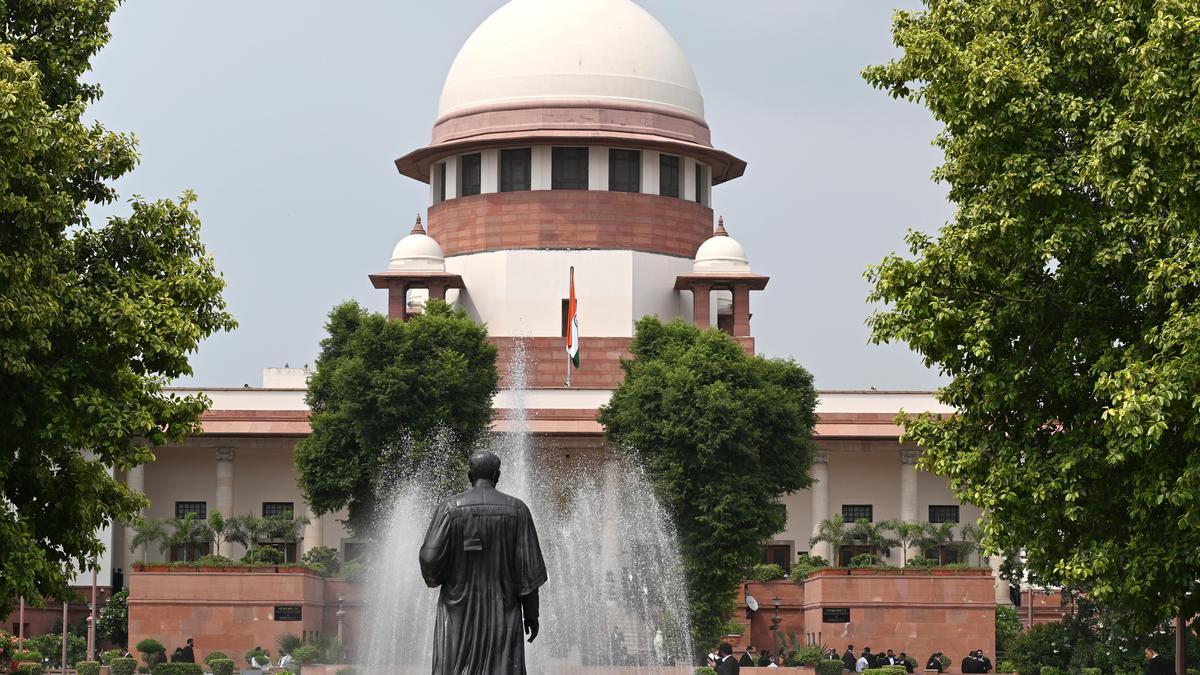
The petition, now being examined by the apex court, raises questions about the appropriateness of judges receiving full retirement benefits when they resign to circumvent the formal removal process prescribed under the Constitution. Under existing rules, judges who resign are typically entitled to the same financial entitlements and pension benefits as those who complete their tenure or retire at the mandated age.
The plea argues that allowing judges to retain full perks while exiting to avoid removal proceedings creates a problematic incentive structure and undermines accountability mechanisms built into the judicial system. Proponents of the petition contend that the procedure for judicial removal, though rigorous, serves as an important safeguard for judicial integrity and public confidence in the judiciary.
The case has acquired fresh relevance with Justice Yashwant Varma's resignation from the Allahabad High Court. Varma, who was undergoing an inquiry related to removal proceedings initiated through Parliament, stepped down in September, effectively terminating the removal process against him. Such resignations have sparked debate about whether the constitutional framework adequately addresses situations where judges exit to escape disciplinary action.
The Supreme Court's notice to the government seeks clarification on whether the existing statutory framework permits differentiation in retirement benefits based on the circumstances of a judge's departure. The Centre's response is expected to inform the court's examination of whether legislative intervention or judicial interpretation is necessary to address the identified gap in India's judicial accountability system.