Politics · India Bureau
Supreme Court examines police chief appointment rules in landmark review
A bench led by Chief Justice Surya Kant has initiated a review of state DGP appointment procedures against the 2006 Prakash Singh judgment, which established guidelines for transparent recruitment and minimum two-year tenure protections.
LSN India ·
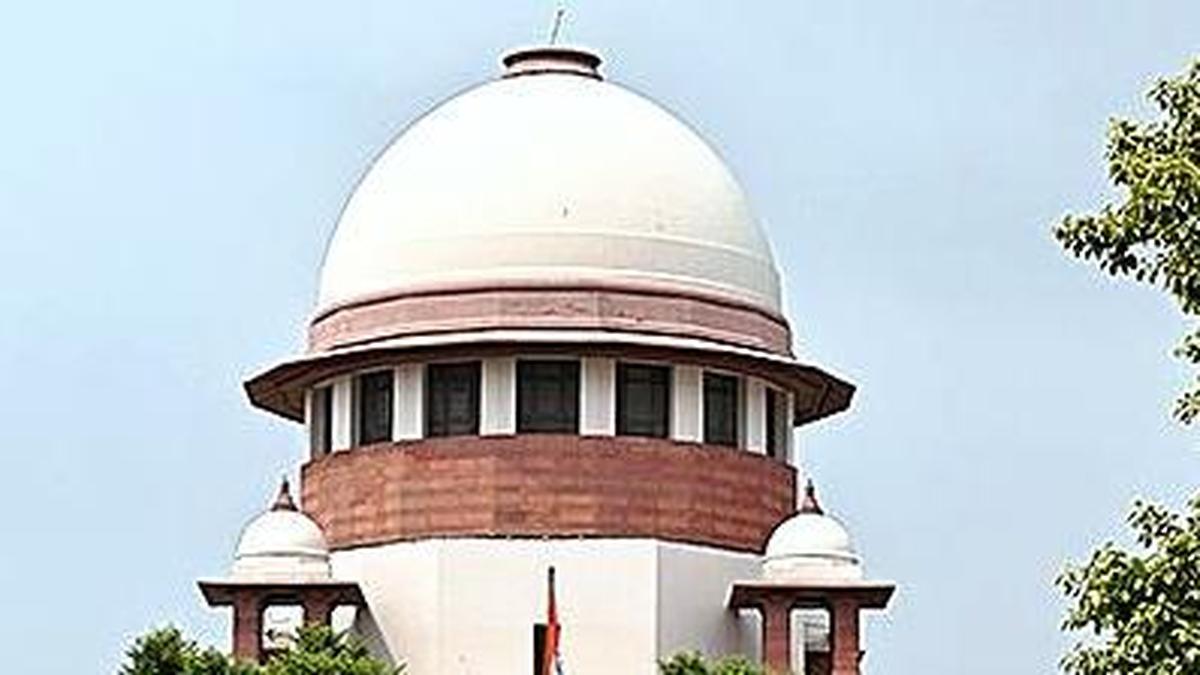
The Supreme Court of India has opened proceedings to scrutinize existing rules governing the appointment of Directors General of Police across states, measuring them against the landmark 2006 Prakash Singh judgment that reshaped police administration in the country.
The bench headed by Chief Justice of India Surya Kant is examining whether current state-level DGP appointment processes align with the principles established in the earlier judgment. That 2006 ruling had set down specific guidelines mandating transparent and merit-based appointment procedures while also guaranteeing appointed police chiefs a minimum tenure of two years, insulating them from arbitrary removal.
The Prakash Singh judgment had addressed long-standing concerns about political interference in police administration and the frequent transfers of top police officers, which were seen as hindering independent law enforcement. The protections introduced in that landmark case aimed to ensure stability and professional autonomy in police leadership.
The court's current review seeks to assess whether the intervening years have seen proper implementation of these safeguards or whether deviations have occurred in state practices. The outcome of this examination could have significant implications for police administration across India, potentially strengthening or clarifying the procedural requirements for DGP appointments nationwide.
The review comes as part of ongoing judicial efforts to strengthen institutional independence and professional standards in law enforcement, a concern that has remained central to Indian jurisprudence on police reforms.