Business · India Bureau
Supreme Court examines scope of NCLAT powers on company EGMs
The Supreme Court has issued notice on a petition challenging a National Company Law Appellate Tribunal ruling on when extraordinary general meetings can be convened. The case raises questions about the proper application of Section 98 of the Companies Act and whether alternative remedies must be exhausted first.
LSN India ·
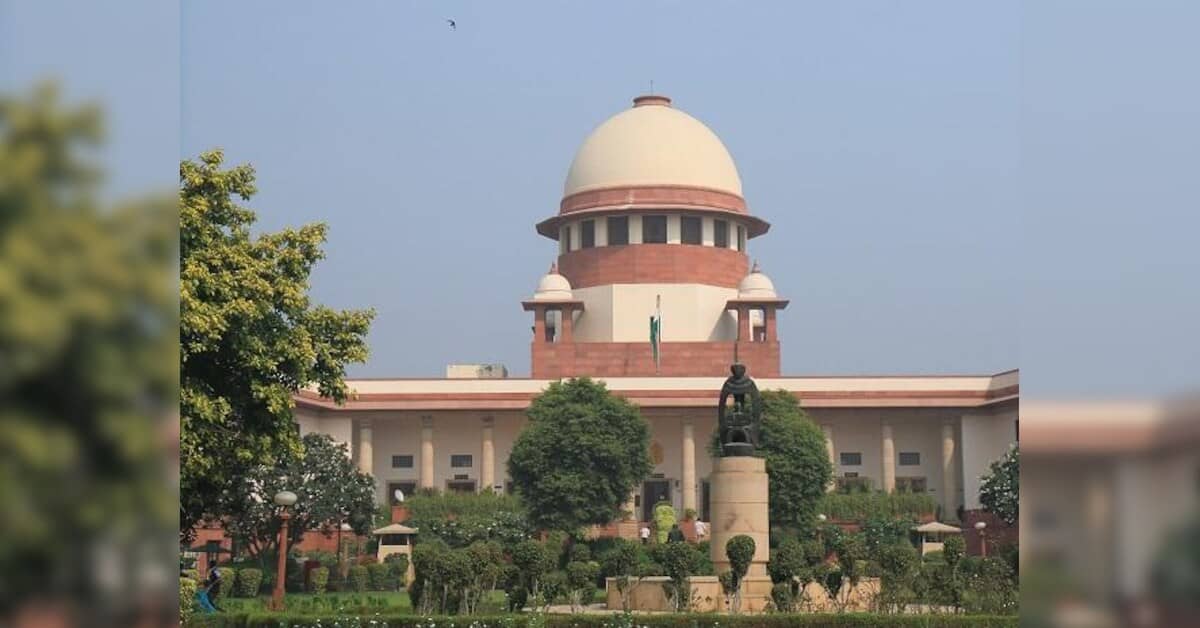
The Supreme Court has taken cognisance of a petition challenging a recent decision by the National Company Law Appellate Tribunal (NCLAT) regarding the circumstances under which it can direct the convening of extraordinary general meetings (EGMs) of companies.
The dispute centres on the interpretation and application of Section 98 of the Companies Act, which governs the calling of EGMs. The petitioner has questioned whether the NCLAT's approach in its ruling adequately considers the hierarchy of remedies available under corporate law and whether other recourse mechanisms should be exhausted before resorting to directions for convening EGMs.
The matter touches on a procedural question of significant importance to corporate governance in India, as it determines the extent of the NCLAT's discretionary powers when adjudicating disputes between company stakeholders. The ruling could establish clearer precedent on how tribunals should approach requests for EGM convocation when other remedial avenues exist.
By issuing notice, the apex court has initiated the formal process of examining the legal questions raised. The case will require the court to clarify the boundaries of NCLAT authority and reconcile the tribunal's powers with the broader framework of corporate dispute resolution mechanisms available under Indian law.