Politics · India Bureau
Supreme Court Expands Police Custody Window Under New Criminal Law
India's apex court has clarified that the Bharatiya Nyaya Sanhita permits an extended period for police custody requests beyond traditional limits. The interpretation of Section 187(2) of the BNSS marks a significant shift in detention procedures under the country's new criminal justice framework.
LSN India ·
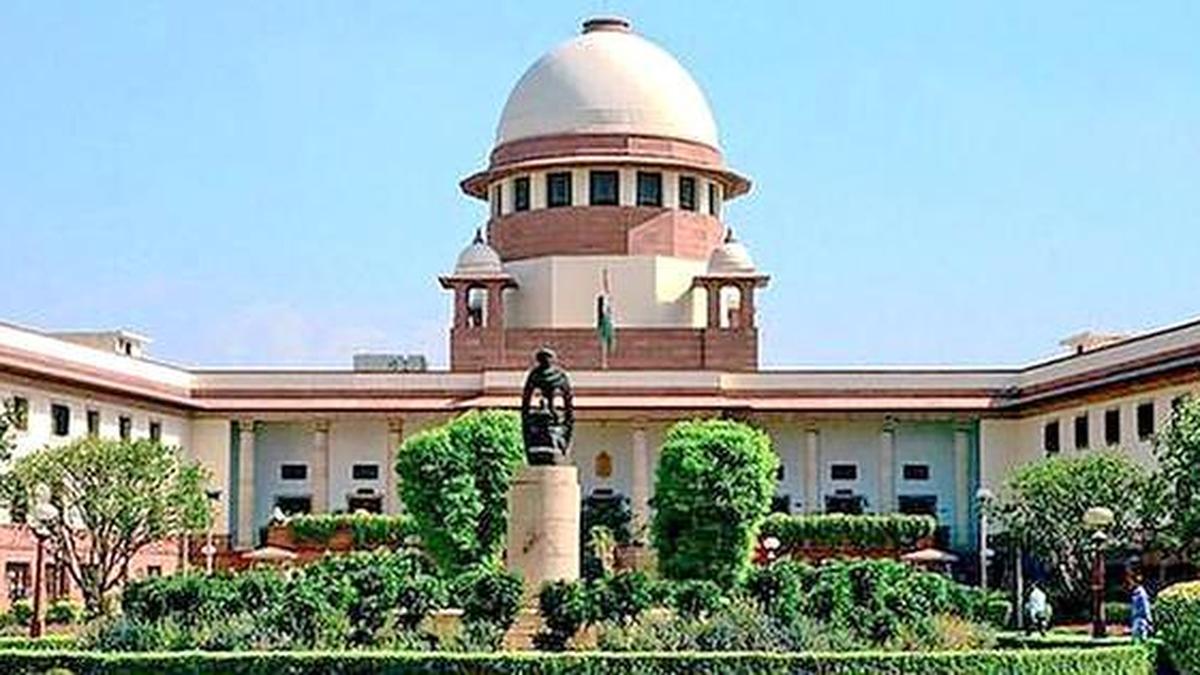
The Supreme Court has provided crucial clarification on police custody provisions under the Bharatiya Nyaya Sanhita (BNSS), ruling that Section 187(2) broadens the timeframe during which law enforcement agencies may seek custody of accused persons. This interpretation addresses ambiguities in the application of the newly adopted criminal code, which replaced the Indian Penal Code and Code of Criminal Procedure.
The court's pronouncement has substantial implications for investigative procedures across Indian police forces. By enlarging the window for custody applications, the judgment provides law enforcement with additional operational flexibility while navigating the procedural requirements of the BNSS. The clarification is expected to influence how police departments structure their detention requests and investigative timelines.
The ruling underscores the judiciary's role in interpreting the BNSS as it faces practical application across the country's law enforcement apparatus. Since the criminal law overhaul came into effect, courts have been called upon to resolve procedural ambiguities and establish operational guidelines. This judgment adds an important precedent to the developing body of jurisprudence surrounding the new criminal justice framework.
The Supreme Court's interpretation reflects the broader judicial effort to balance investigative requirements with constitutional protections. The decision is likely to prompt police departments to revisit their operational procedures and training protocols to align with the expanded scope established by the apex court.