World · India Bureau
Supreme Court flags concerns over modified SIR form without approval
India's Supreme Court has expressed significant concern over modifications made to Form-6 used in the Simultaneous Independent Registration (SIR) process, stating it had not sanctioned the changes. The court's remarks come amid a broader controversy over the addition of a declaration document and extra voter information requirements.
LSN India ·
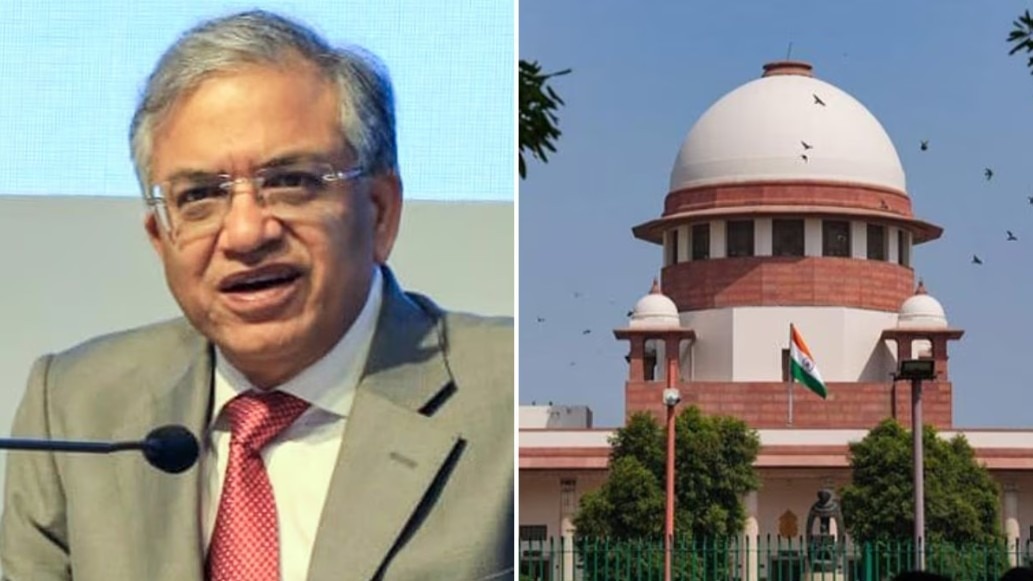
The Supreme Court of India has made pointed observations regarding alterations to Form-6, the standard document used for the Simultaneous Independent Registration (SIR) procedure, asserting that it had not approved such modifications. In its statement, the court emphasized that if any unauthorized actions have been undertaken in connection with these changes, they would constitute illegal conduct. The court's comments underscore growing judicial scrutiny over the administration of electoral registration processes in the country.
The modifications to Form-6 have drawn particular attention because they introduced substantive changes to the voter registration framework without explicit judicial authorization. According to officials, the altered form now includes an attached declaration document and requires voters to provide two additional pieces of information beyond the standard requirements. These amendments represent a departure from the previously established procedures for SIR implementation.
The Supreme Court's critical remarks suggest potential concerns about the procedural regularity of how electoral registration forms have been modified and implemented. The court's warning regarding potential illegality if unauthorized measures were taken indicates serious implications for how such administrative changes should be handled within the electoral system. The matter reflects broader debates about ensuring transparency and proper authorization in electoral processes across India.
This development comes at a time when electoral administration procedures are under increased judicial review in India, with courts emphasizing the importance of following established protocols and obtaining necessary approvals before implementing changes to official forms and processes.