Politics · India Bureau
Supreme Court flags vehicular emissions as key Delhi air pollution driver
The Supreme Court has shifted focus beyond seasonal factors to highlight the cumulative impact of traffic congestion in Delhi and the National Capital Region on air quality. The court has sought details on regulatory measures governing the entry and movement of vehicles from neighbouring states.
LSN India ·
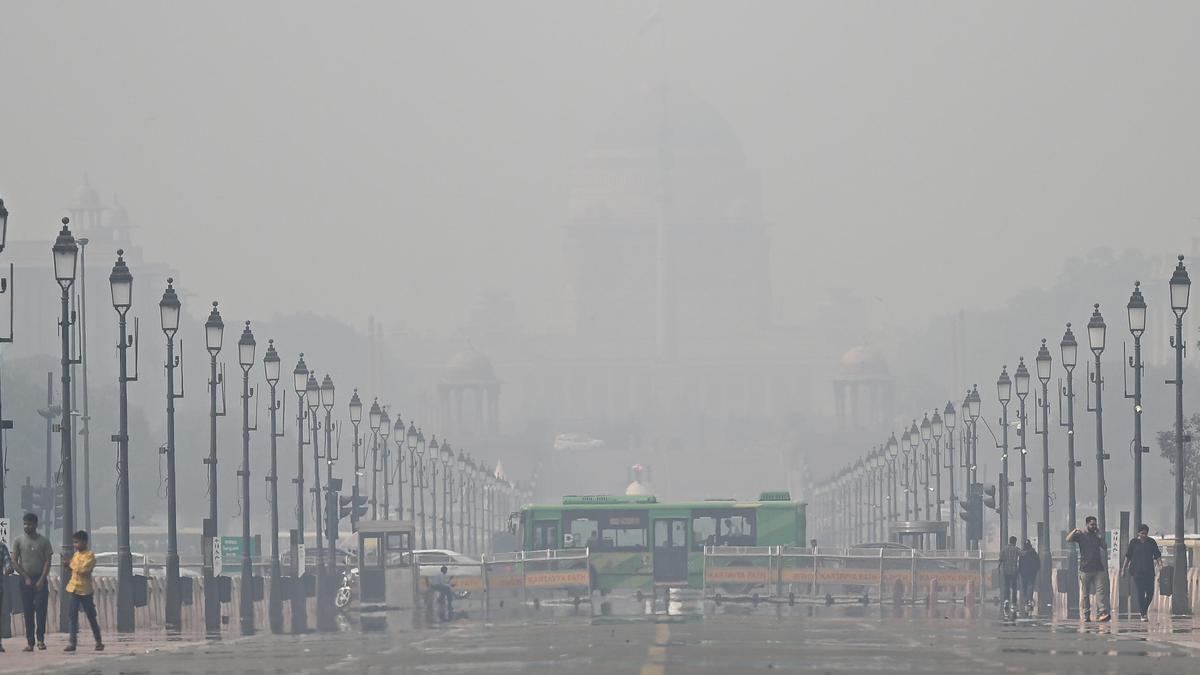
The Supreme Court has identified vehicular emissions as a significant contributor to Delhi's deteriorating air quality, broadening its examination of pollution sources beyond seasonal factors like crop burning during Deepavali. Acknowledging that the capital and surrounding NCR areas face a 'cumulative burden of vehicular traffic', the court has directed authorities to explain what regulatory mechanisms are currently in place to control the entry and plying of vehicles originating from neighbouring states.
The judicial intervention underscores a critical gap in pollution management strategy. While seasonal crop residue burning in Punjab and Haryana typically dominates air quality discussions during winter months, the court's focus on year-round vehicular pollution suggests a more comprehensive approach to tackling Delhi's persistent air quality crisis.
Transport is widely recognized as a major source of nitrogen oxides and particulate matter in urban environments. Delhi's congested roads, combined with the influx of vehicles from surrounding states, create compounding emissions that degrade air quality across the region. The court's inquiry into inter-state vehicle regulation indicates judicial recognition that addressing pollution requires coordinated action beyond Delhi's administrative boundaries.
The Supreme Court's move signals that tackling air pollution in Delhi demands equal attention to traffic management and vehicular emissions as to seasonal agricultural burning. State governments and traffic authorities are expected to present comprehensive data on existing regulatory frameworks and propose enhanced measures to control vehicular movement across state borders during high-pollution periods.