Politics · India Bureau
Supreme Court halts Madras High Court ruling on temple jurisdiction matter
The Supreme Court has stayed an order passed by the Madras High Court, raising questions about the scope of high court authority over religious institutions. The decision centres on whether high courts possess parens patriae jurisdiction exclusively over Hindu temples or extend to places of worship of other faiths.
LSN India ·
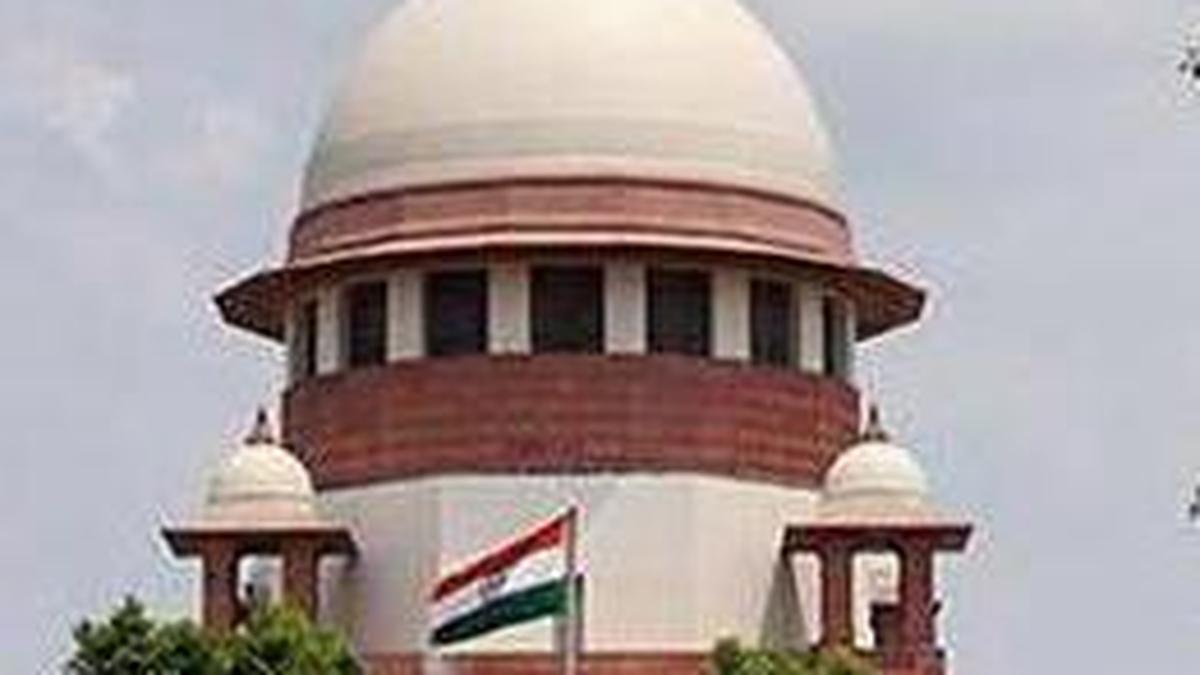
The Supreme Court of India has intervened in a jurisdictional matter by staying an order issued by the Madras High Court concerning temple administration and oversight. The stay has reignited debate over the constitutional framework governing judicial supervision of religious institutions across different faith communities.
The core issue at the centre of the dispute concerns the extent of parens patriae jurisdiction—a legal doctrine allowing courts to act as guardians of public institutions—and whether such authority applies uniformly across all religious establishments or remains confined to specific categories of places of worship.
High courts in India have historically exercised supervisory powers over Hindu temples under the parens patriae doctrine, particularly regarding management of temple properties and charitable endowments. However, the question of whether such jurisdiction extends uniformly to mosques, churches, gurudwaras and other religious institutions has remained contentious, with varying interpretations across different judicial benches.
The Supreme Court's decision to stay the Madras High Court order suggests the apex court intends to examine the legal principles governing judicial intervention in the administration of religious institutions. Legal experts anticipate the decision may establish clearer guidelines on the scope and application of parens patriae jurisdiction across India's diverse religious landscape.
The matter is expected to have broader implications for how Indian courts approach questions of religious institution governance and the principles that should govern judicial oversight in such sensitive areas.