Politics · India Bureau
Supreme Court Limits Election Commission's Powers Over Voter Registration Forms
The Supreme Court has ruled that the Election Commission of India cannot unilaterally modify critical voter registration and correction forms, asserting constitutional boundaries on the electoral body's authority.
LSN India ·
The Supreme Court has delivered a significant ruling on electoral procedures, holding that the Election Commission cannot alter Forms 6, 7, and 8—documents central to voter registration and corrections processes across the country.
The observation marks an important clarification on the division of powers between India's apex court and the Election Commission, the independent constitutional body responsible for conducting elections. Forms 6, 7, and 8 are standard documents used by citizens to register as voters, make corrections to existing voter rolls, and lodge related complaints.
The court's position establishes that any modifications to these forms require appropriate legal backing rather than executive discretion by the Election Commission alone. This ruling ensures that changes to voter registration procedures maintain requisite constitutional and legal safeguards.
The judgment carries implications for electoral administration across India, as Forms 6, 7, and 8 are universally used in voter registration drives at polling booths and election offices nationwide. Election officials will need to follow established legal procedures should any modifications to these forms be deemed necessary in the future.
The ruling underscores the judiciary's role in maintaining checks and balances over electoral bodies, ensuring voter registration processes remain transparent and constitutionally sound.
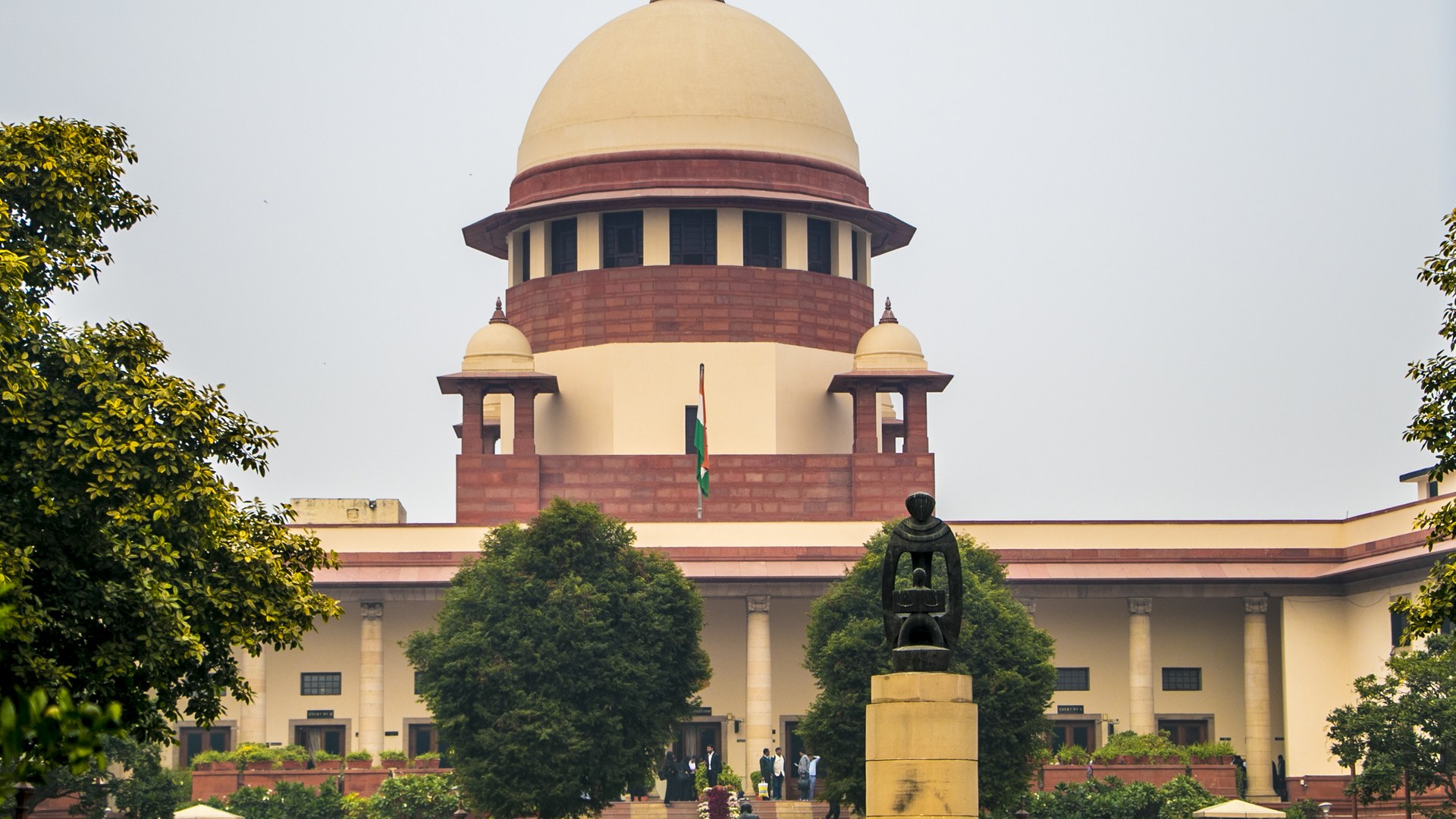
Photo: The Supreme Court of India, New Delhi, December 2019. Subhashish Panigrahi via Wikimedia Commons (CC BY-SA 4.0).