Politics · India Bureau
Supreme Court may hear plea on Jantar Mantar de-notification impact
A petition challenging the de-notification of Delhi's Jantar Mantar as a protest venue argues the move will push dissent to the city's periphery, weakening its visibility and impact. The plea also highlights the absence of standard operating procedures for alternative demonstration sites.
LSN India ·
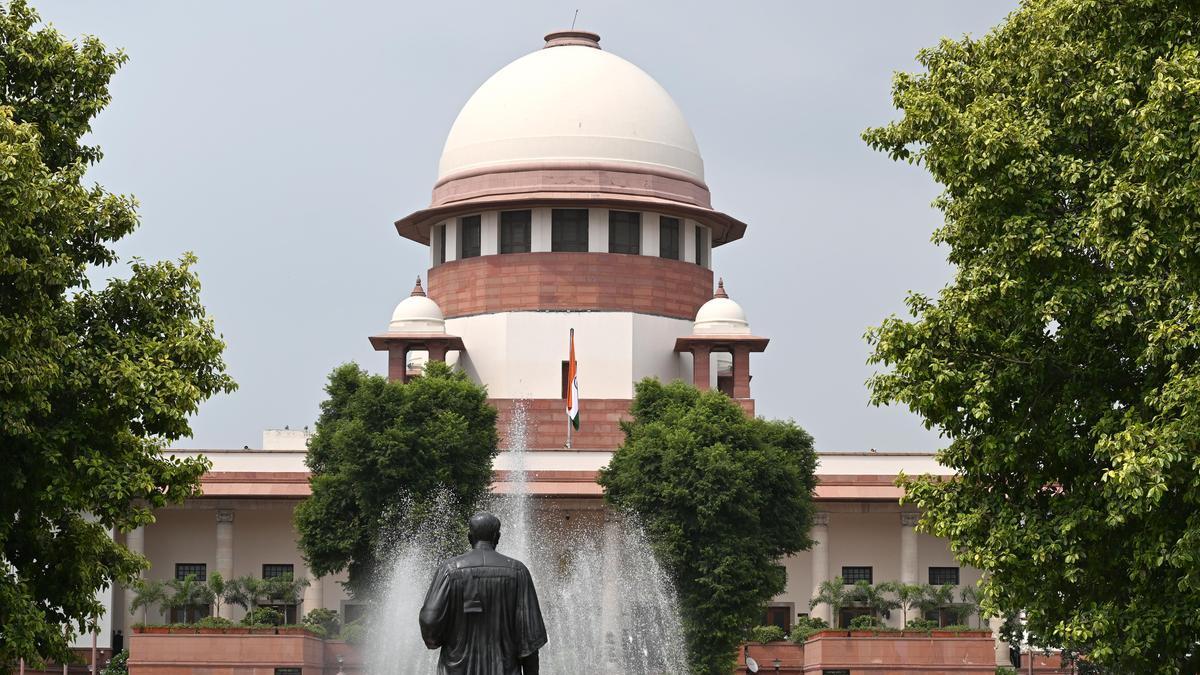
The Supreme Court may take up a petition contending that the removal of Jantar Mantar's status as a designated protest site will effectively marginalise public demonstrations and diminish their reach. According to the plea, relocating protests to Delhi's outskirts will place them far from the seats of power and beyond the attention of ordinary citizens, thereby undermining their effectiveness as channels for democratic expression. The petitioner argues this outcome contradicts the constitutional guarantee of the right to protest and associate peacefully.
The plea further points to a critical administrative gap: no standard operating procedures have been established for alternative venues where protests can be conducted following the de-notification. This absence of clear guidelines raises concerns about the practical feasibility and legal clarity surrounding future demonstrations in the national capital. The petitioner contends that without designated alternatives and proper protocols, citizens exercising their constitutional rights face uncertainty and potential obstruction.
Jantar Mantar, located near Parliament Street in central Delhi, has historically served as the primary site for demonstrations and protests, drawing national and international attention to various causes. The de-notification has sparked debate about balancing public order concerns with the protection of fundamental democratic rights, with civil liberties advocates arguing that pushing protests out of public view undermines the essential purpose of democratic dissent.