World · India Bureau
Supreme Court Petition Challenges UPI Transaction Fee Framework
A public interest litigation filed in India's Supreme Court has questioned the constitutional validity of a 0.4% merchant discount rate imposed on UPI transactions exceeding ₹2,000. The petitioner has raised concerns about the amended payment framework, citing procedural irregularities and disparate treatment of digital payment systems.
LSN India ·
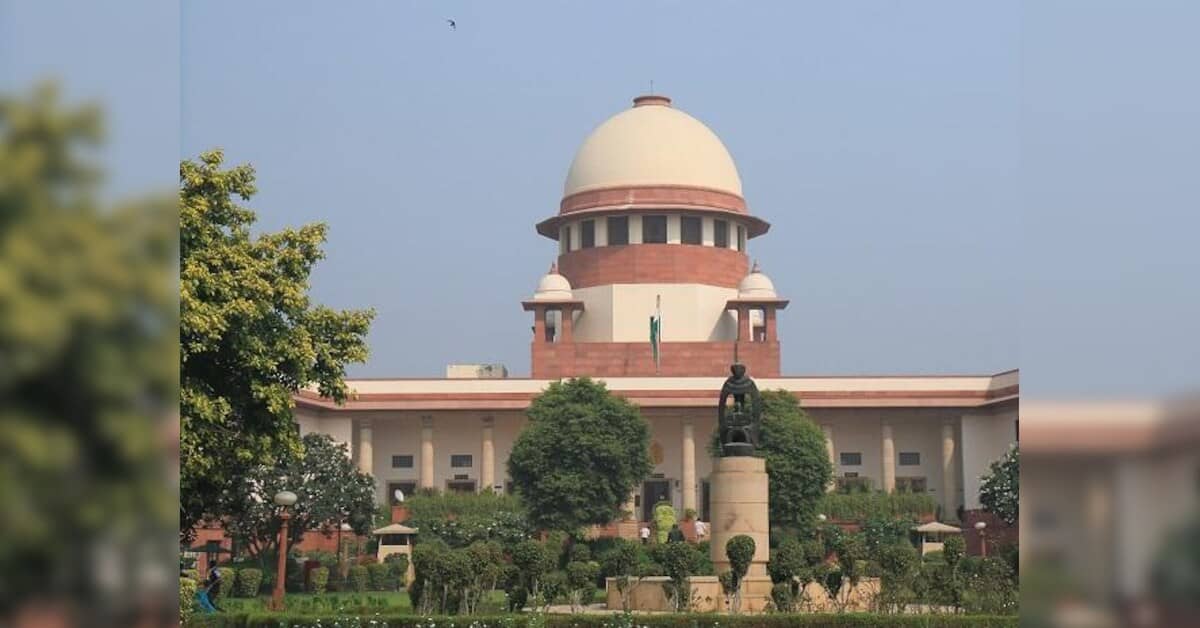
A petition has been filed in the Supreme Court challenging the newly introduced merchant discount rate (MDR) structure applicable to UPI transactions above ₹2,000, contending that the framework lacks proper legislative backing and transparency.
The petitioner has questioned the constitutional validity of the amended payment law under which the MDR was implemented, noting that the corresponding gazette notification was not formally published in the official gazette. This procedural gap, according to the petition, raises questions about the legitimacy of the regulatory intervention.
A key aspect of the challenge involves the alleged discriminatory treatment between different digital payment platforms. The petition highlights that UPI transactions face the 0.4% MDR levy, while RuPay debit-card transactions operate under a different regulatory framework, creating an unequal playing field among payment systems that serve similar functions.
The litigation comes amid growing scrutiny of India's digital payments ecosystem and regulatory consistency across platforms. The case raises fundamental questions about how payment instruments should be regulated and whether differential fee structures are justified based on their underlying technology or payment rails.
The Supreme Court's response to this petition could have significant implications for the fintech sector and the broader push toward digital transactions in India's economy.