Politics · India Bureau
Supreme Court plea challenges CEC's unilateral decisions without panel concurrence
A petition filed in India's Supreme Court has challenged numerous decisions and policy changes allegedly made by Chief Election Commissioner Gyanesh Kumar without the approval of the two other Election Commissioners. The plea argues such unilateral actions breach statutory requirements mandating collective decision-making within the poll panel.
LSN India ·
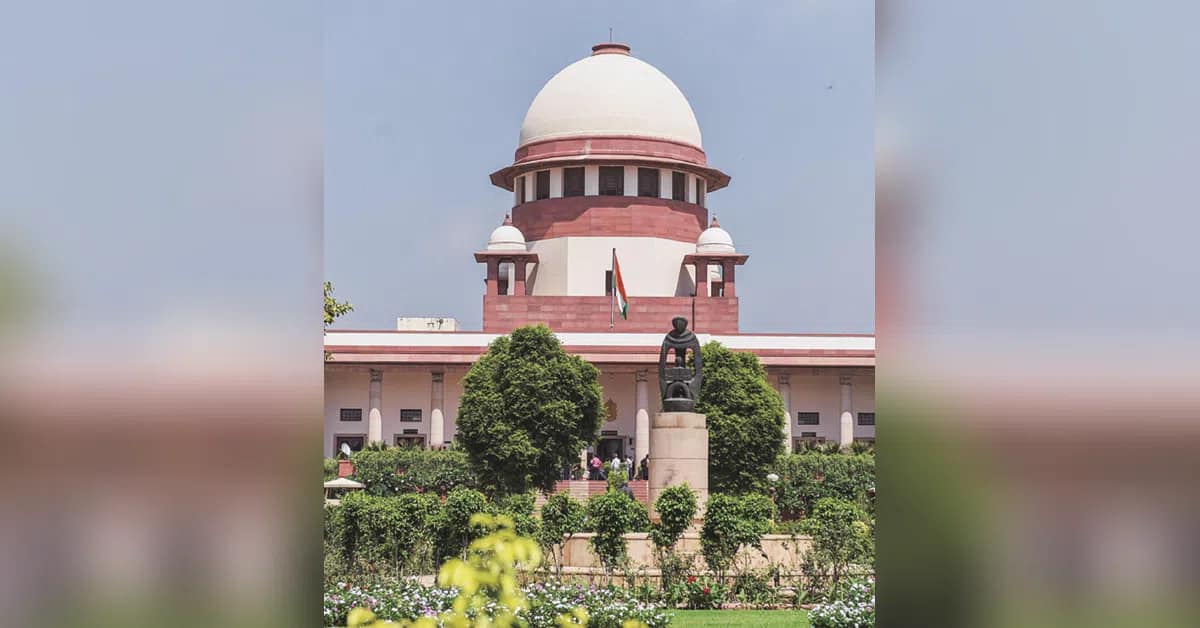
An advocate has approached the Supreme Court challenging the constitutional validity of decisions, guidelines and software modifications allegedly implemented by Chief Election Commissioner Gyanesh Kumar without securing the concurrence of the two Election Commissioners. The petition, filed by advocate Shailendra Mani Tripathi through counsel Chand Qureshi, contends that such actions violate the statutory framework governing the Election Commission's functioning.
The plea seeks a declaration that decisions taken without the full Election Commission's concurrence or in contravention of the poll panel's majority view are unconstitutional, ultra vires and void. It further requests judicial intervention to establish that the CEC exceeded his authority in implementing these measures unilaterally.
Beyond challenging the substantive validity of the alleged decisions, the petitioner has also sought initiation of criminal proceedings against the CEC and other officials under provisions pertaining to breach of official duty. The petition asserts that the Chief Election Commissioner, stripped of any statutory or constitutional immunity, remains directly accountable under law and subject to regular legal proceedings.
The plea underscores the requirement for collective functioning within the three-member Election Commission, highlighting concerns over potential circumvention of institutional checks designed to ensure independent and impartial conduct of electoral processes.