World · India Bureau
Supreme Court questions exemption of Class 6 students from three-language policy
India's Supreme Court has challenged the Central government's selective exemption of students from the three-language formula in CBSE schools. The court questioned why Class 6 students have not been granted relief similar to their older counterparts.
LSN India ·
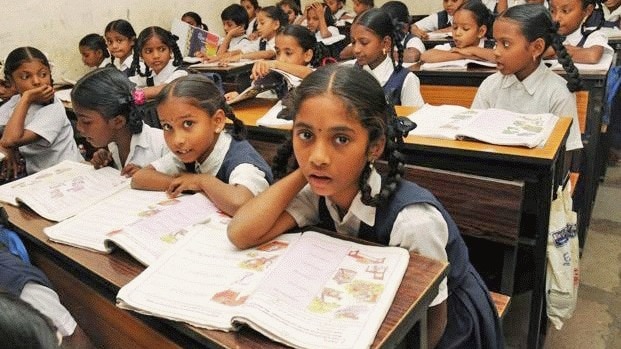
The Supreme Court has intensified scrutiny of the three-language policy implemented across CBSE schools, engaging in sharp exchanges with the Central government over inconsistent exemptions granted to different student groups.
During the hearing, the court questioned the rationale behind exempting students from Class 7 to Class 10 while denying similar relief to Class 6 students. The government had previously announced exemptions for the higher classes but has not extended the same concession to younger students, prompting judicial intervention.
The three-language formula, a longstanding educational framework in India's schools, requires students to study three languages simultaneously. While the policy's implementation has faced criticism for placing excessive burden on students, the government's staggered approach to granting exemptions has drawn the court's attention.
The bench indicated willingness to consider providing relief to Class 6 students as well, suggesting that the current exemption framework lacks logical consistency. The court's intervention reflects growing concerns about the feasibility and impact of mandatory multi-language instruction on younger learners.
The case highlights the broader debate over balancing educational mandates with student welfare, with the judiciary now actively examining whether the exemption policy adequately addresses the concerns of all affected students.