Politics · India Bureau
Supreme Court rebuffs One Nation One Election panel's bid to meet judiciary
The Supreme Court has declined a proposal from the One Nation One Election panel seeking interactions with senior judicial officials, amid concerns from legal experts over constitutional implications of the electoral reform initiative.
LSN India ·
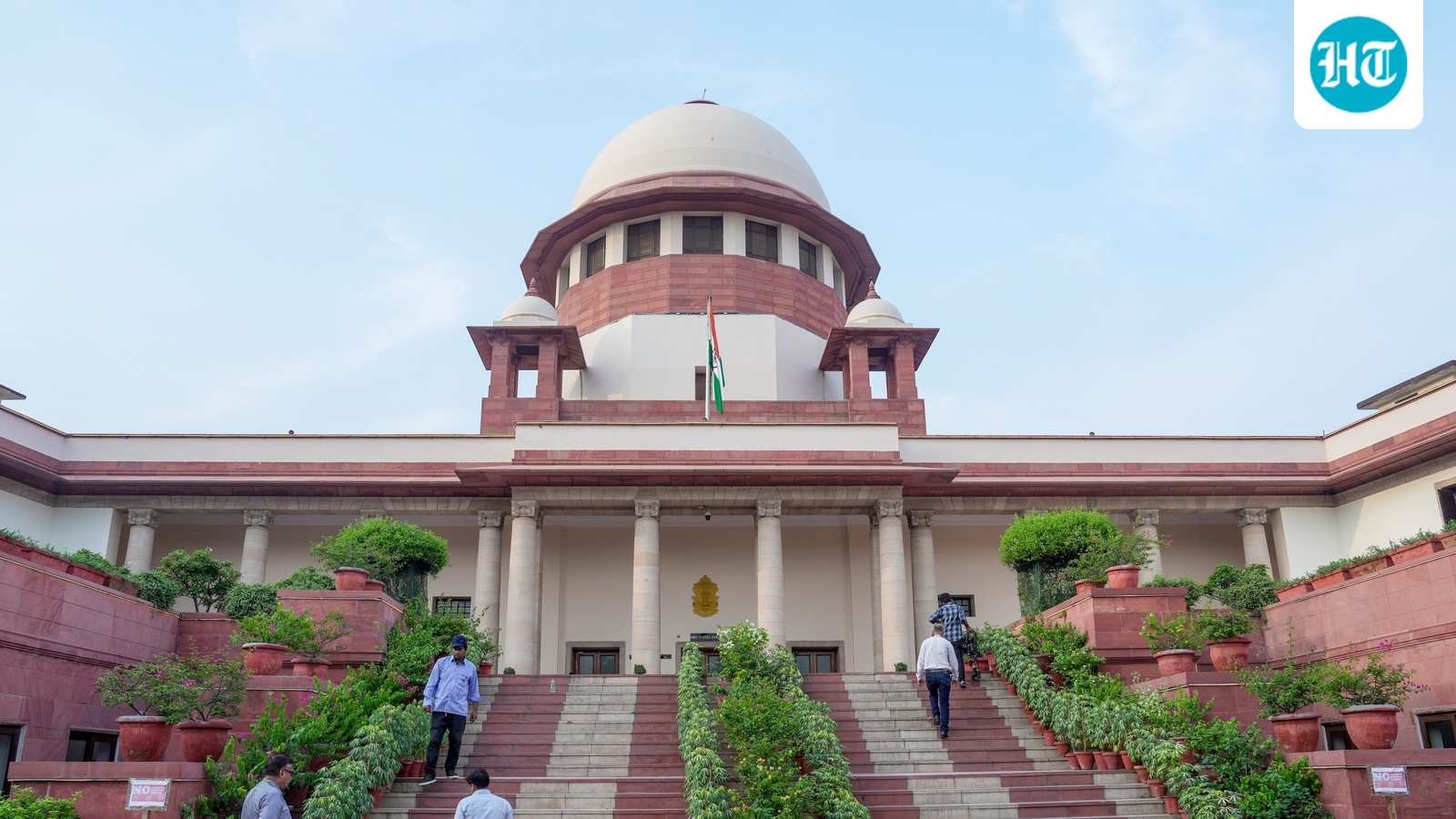
The apex court's rejection of the panel's request to engage with Chief Justice of India and other senior judges signals growing institutional caution surrounding the ambitious electoral reform proposal. Legal experts have expressed substantial concerns about the constitutional ramifications of the One Nation One Election framework, which seeks to synchronize national and state elections across India.
The refusal to facilitate interactions between the panel and top judiciary members underscores the court's apparent reluctance to lend institutional endorsement to the initiative at this stage. The proposal has emerged as a contentious matter within legal and political circles, with critics raising fundamental questions about its compatibility with India's constitutional structure and federal framework.
The One Nation One Election concept proposes conducting simultaneous elections for the Lok Sabha and all state assemblies, along with local body elections. Proponents argue the move would enhance governance efficiency and reduce electoral expenditures, while detractors contend it may undermine democratic principles and concentrate executive power.
The Supreme Court's stance reflects the judiciary's institutional independence and its careful positioning as electoral matters continue to generate extensive constitutional debate across the country. Legal scholars have flagged concerns that the proposed electoral architecture could impact the separation of powers and the constitutional autonomy of state legislatures.