Politics · India Bureau
Supreme Court rejects delay in anti-defection case, sets two-month deadline
The Supreme Court has directed Madhya Pradesh's Assembly Speaker to expedite proceedings on Congress MLA Nirmala Sapre's anti-defection petition, dismissing arguments that the legislature's remaining tenure justifies postponement.
LSN India ·
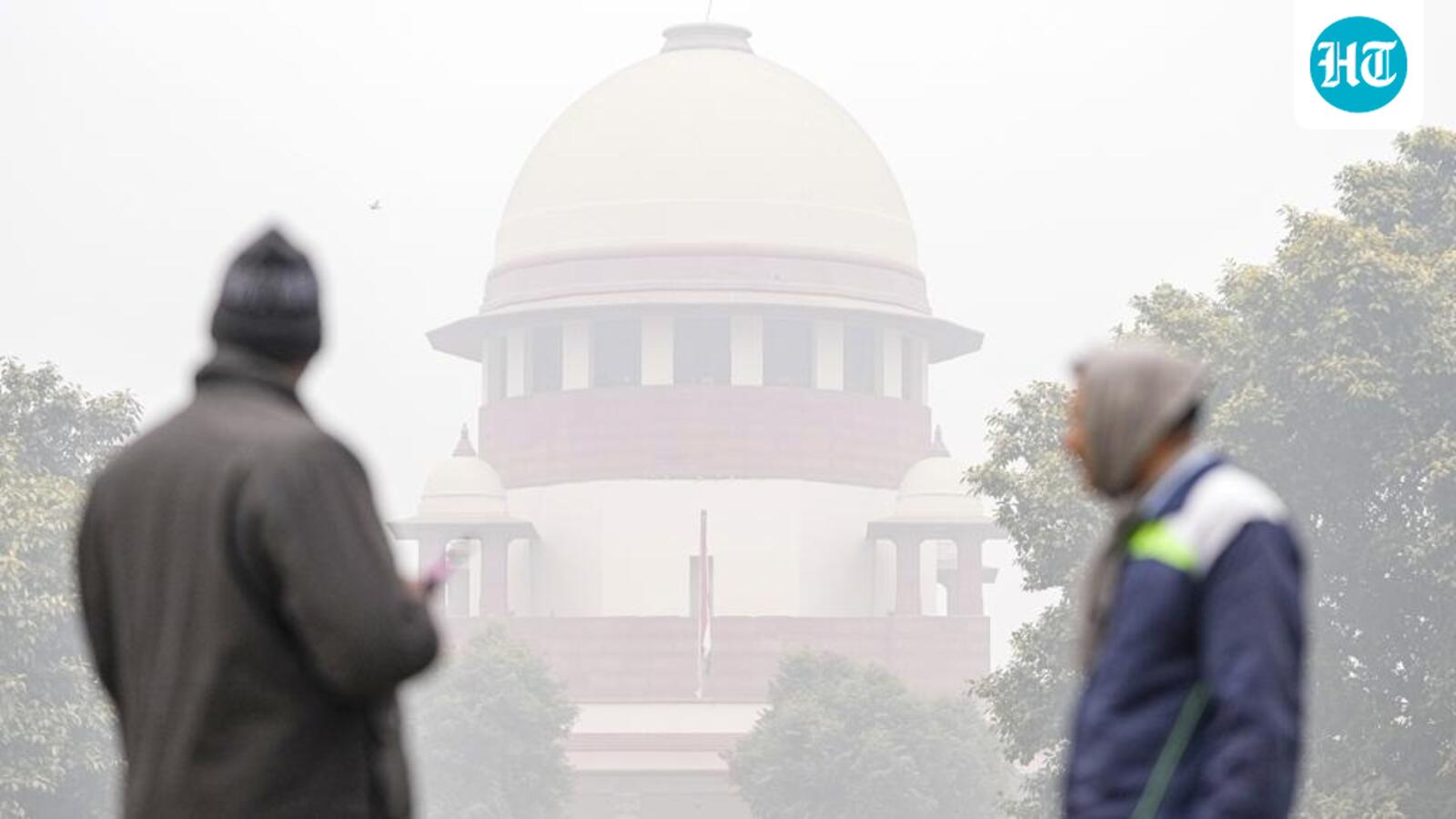
India's apex court has rejected contentions that the impending completion of an Assembly's term could be grounds to defer anti-defection cases, reinforcing the need for timely adjudication of such matters. In its ruling, the Supreme Court specifically instructed the Speaker of the Madhya Pradesh Assembly to render a decision on the defection plea involving Congress legislator Nirmala Sapre within a stipulated period of two months.
The court's intervention underscores judicial emphasis on preventing indefinite delays in anti-defection proceedings, which can potentially allow legislators to escape accountability during the sunset period of an Assembly's tenure. The directive reflects established constitutional principles requiring Speakers to discharge their quasi-judicial functions without undue postponement, irrespective of the legislative calendar.
The case concerning Sapre's alleged defection now faces a defined timeline for resolution through the Speaker's forum, the first statutory authority empowered to examine such complaints under the Tenth Schedule of the Constitution. The Supreme Court's firm stance signals that administrative convenience or procedural arguments cannot circumvent the obligation to dispose of anti-defection matters within reasonable timeframes.
This ruling carries implications for pending defection cases across various state assemblies, potentially setting precedent for expedited handling of similar matters nationwide. Legal experts note the decision reinforces accountability mechanisms designed to protect legislative stability and prevent opportunistic party-switching during politically volatile periods.