Politics · India Bureau
Supreme Court rejects UP government appeal, keeps Azam Khan's conviction suspended in birth certificate case
The court also extended the same relief to the Samajwadi Party leader's wife, Tazeen Fatma, and son, Abdullah Azam Khan, whose convictions the Allahabad High Court had declined to suspend.
LSN India ·
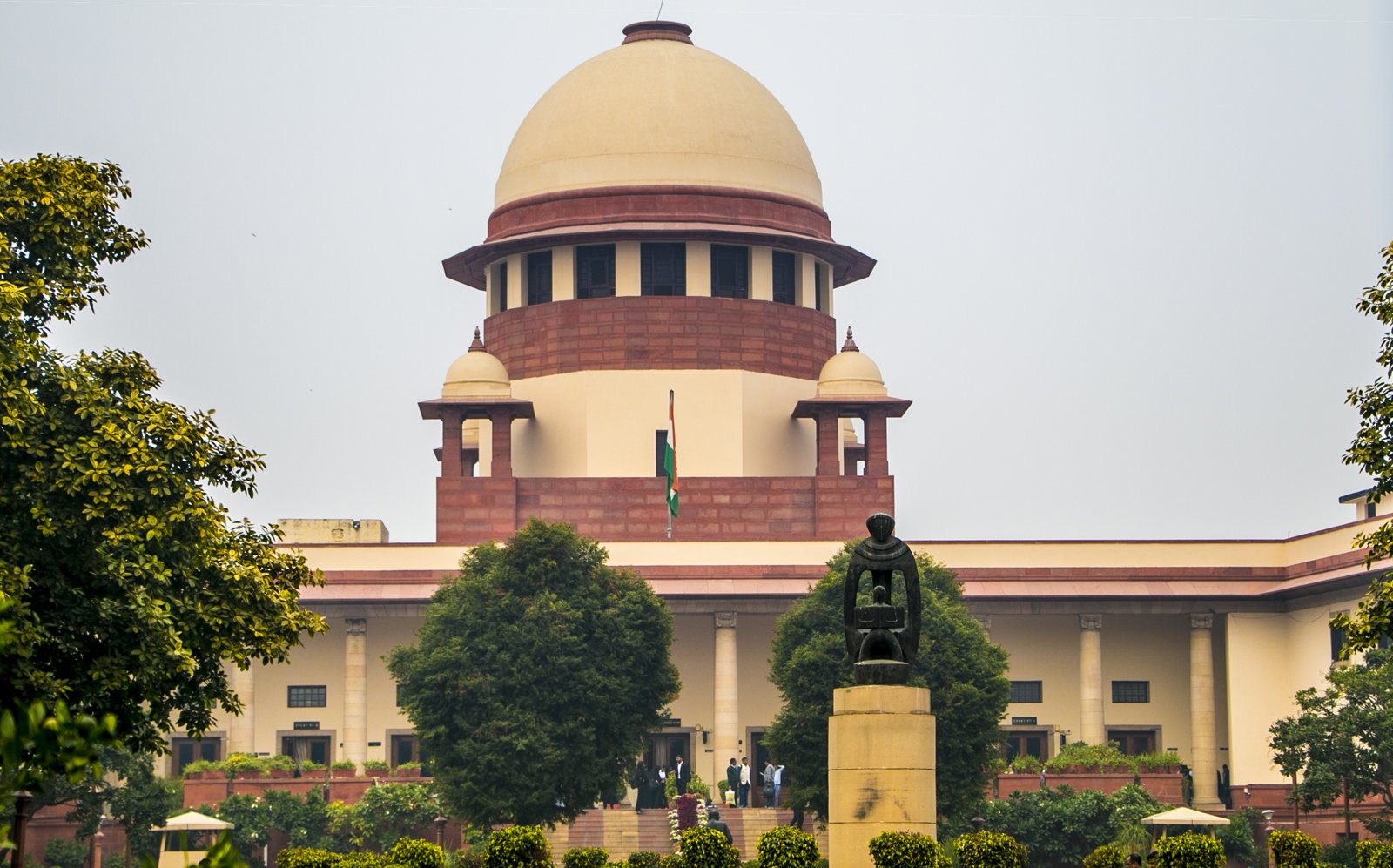
<p>The Supreme Court on Tuesday (17 November) dismissed the Uttar Pradesh government's appeal against the suspension of Samajwadi Party leader Azam Khan's conviction in a case over a forged birth certificate.</p>
<p>A bench of Justice Dipankar Datta and Justice Sheel Nagu also allowed separate appeals by Khan's wife, Tazeen Fatma, and their son, Abdullah Azam Khan, giving them the same relief, according to the legal news site LiveLaw and the Press Trust of India.</p>
<p>The case relates to allegations that Abdullah Azam Khan held two birth certificates showing different dates of birth. A complaint filed by Bharatiya Janata Party MLA Akash Saxena alleged that one of the certificates had been obtained fraudulently and used to establish Abdullah's eligibility to contest the 2017 Uttar Pradesh Assembly election.</p>
<p>A trial court in Rampur convicted all three family members on 18 October 2023 on charges including cheating, forgery and criminal conspiracy, and sentenced each of them to seven years in prison.</p>
<p>The Allahabad High Court later suspended the sentences and granted bail to all three. However, it suspended the conviction itself only in Azam Khan's case, saying there was no material showing he had supplied the information used to obtain the second certificate. It declined the same relief to his wife and son, citing their roles in obtaining and using the disputed document.</p>
<p>The state government then approached the Supreme Court seeking to restore Azam Khan's conviction, while Fatma and Abdullah sought the relief already granted to him. With Tuesday's ruling, the convictions of all three remain suspended while their appeals against the trial court verdict are pending.</p>
<p>A suspended conviction matters for politicians in India because a conviction carrying a sentence of two years or more triggers disqualification from legislatures under the Representation of the People Act.</p>