Politics · India Bureau
Supreme Court rules Aadhaar insufficient to verify age of deceased
India's apex court has determined that Aadhaar cards cannot serve as the sole basis for establishing a person's age. The bench emphasised that school leaving certificates provide more reliable documentation for age verification purposes.
LSN India ·
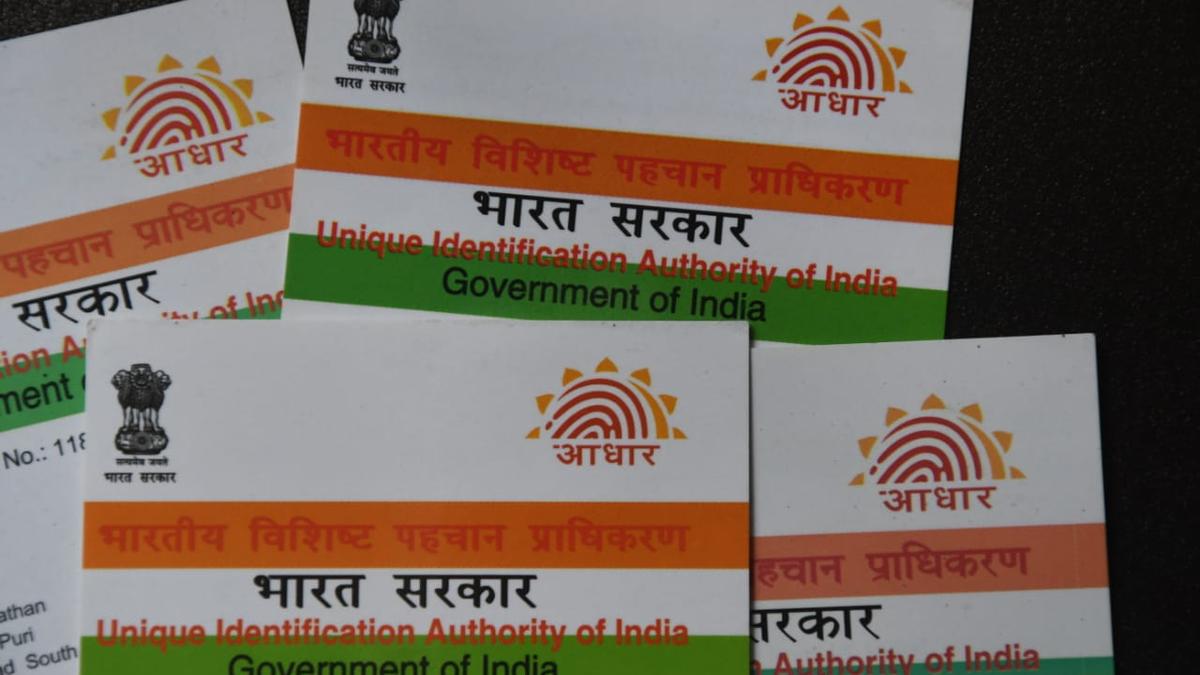
The Supreme Court has clarified that Aadhaar identification documents are not adequate to determine the age of a deceased person, a ruling that carries significant implications for legal proceedings across the country. A bench comprising Justices Sanjay Karol and Ujjal Bhuyan delivered the judgment while addressing questions surrounding age verification in a specific case.
The court directed that the date of birth mentioned in school leaving certificates should be the primary reference point when establishing the age of a deceased individual. This pronouncement underscores the judiciary's preference for educational documentation over the ubiquitous Aadhaar system in matters requiring precise age verification.
The ruling reflects broader concerns within India's legal framework regarding the reliability of various identity documents for different purposes. While Aadhaar has become a primary identification tool for numerous transactions and government benefits, the Supreme Court's decision highlights instances where more traditional documentary evidence takes precedence.
Court observers noted that the judgment may influence how evidence is presented in succession cases, insurance disputes, and other legal matters where a deceased person's exact age becomes relevant. The emphasis on school records suggests the judiciary continues to view educational documentation as a more authoritative source for biographical information than digital identity systems.