Politics · India Bureau
Supreme Court Rules Personal Liberty Cannot Be Overridden by Drug Law
India's apex court has held that stringent provisions of the Narcotic Drugs and Psychotropic Substances Act cannot supersede fundamental rights to personal liberty. The judgment comes in a case where the accused has spent over three years in custody despite trial formalities remaining incomplete.
LSN India ·
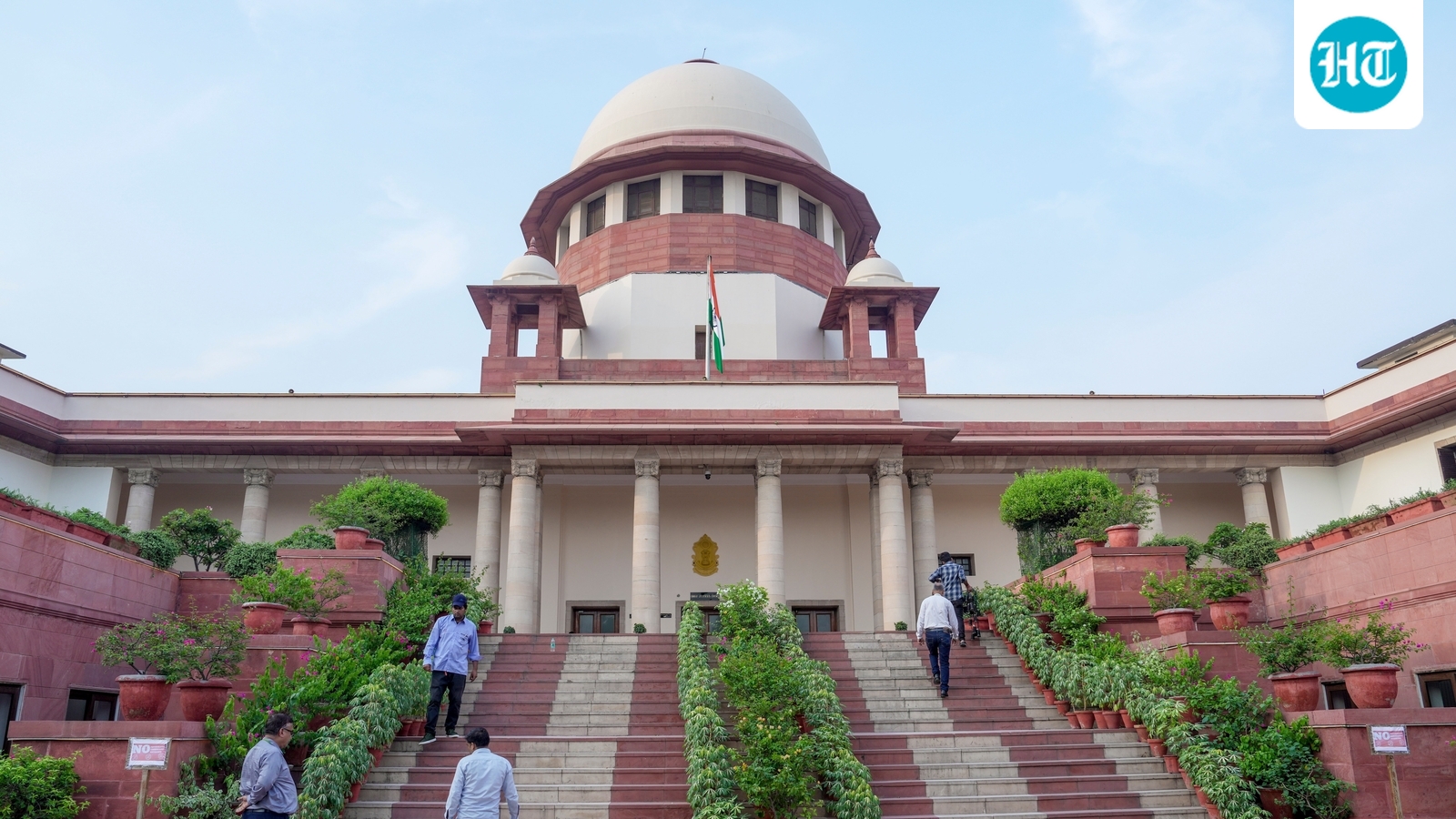
The Supreme Court of India has delivered a significant ruling on the balance between national security laws and constitutional protections, asserting that even strict anti-narcotics legislation cannot entirely override an individual's fundamental right to personal liberty.
The bench examined the case of Arshdeep Singh, who has remained in custody since May 2020. Despite the recent framing of charges against him, the trial proceedings have yet to commence, according to court records. This prolonged detention without trial commencement formed the basis of the court's examination into the competing interests of law enforcement and individual rights.
The judgment underscores the judiciary's commitment to ensuring that stringent provisions in the Narcotic Drugs and Psychotropic Substances Act operate within constitutional boundaries. While acknowledging the serious nature of drug-related offences and the state's legitimate interest in combating narcotics trafficking, the court emphasized that such measures must still respect fundamental liberties guaranteed under the Constitution.
The ruling is expected to influence how courts balance the application of stringent drug laws with procedural safeguards and individual rights in future cases. Legal experts note that the judgment reinforces established principles requiring timely trial progression and the protection of personal liberty, even in cases involving grave criminal charges.