Politics · India Bureau
Supreme Court rules police lack authority to probe PCPNDT violations
India's Supreme Court has determined that police cannot initiate investigations into offences under the Pre-Conception and Pre-Natal Diagnostic Techniques (PCPNDT) Act. The landmark ruling has significant implications for enforcement of the law designed to prevent sex-selective abortions.
LSN India ·
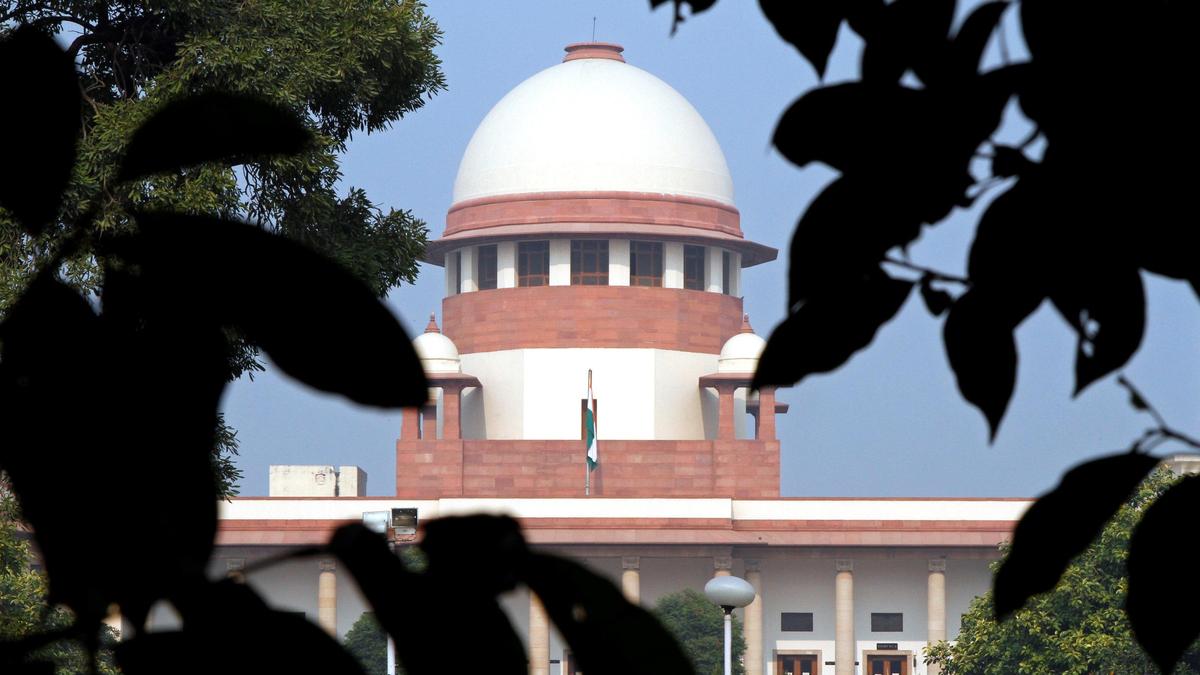
The Supreme Court's decision clarifies the investigative jurisdiction over violations of the PCPNDT Act, which was enacted to prohibit the use of prenatal diagnostic techniques for determining the sex of a foetus. The ruling establishes that police do not have the authority to launch criminal investigations into alleged breaches of the statute.
The PCPNDT Act, passed to combat female foeticide and address skewed sex ratios in India, has been a cornerstone of reproductive rights legislation. However, the Supreme Court's interpretation of the law's procedural mechanisms has now restricted the role of police in enforcing its provisions.
The judgment raises questions about the practical implementation of the Act and which agencies possess the authority to investigate violations. Legal experts suggest the ruling may necessitate clarification on the proper channels for initiating cases and conducting inquiries into alleged contraventions of the statute.
This decision comes amid ongoing concerns about sex-selective practices in various parts of India, despite decades of legislative efforts to curb the practice. The implications of the ruling are likely to spark discussion among lawmakers, law enforcement officials, and civil rights advocates regarding effective enforcement mechanisms.