Politics · India Bureau
Supreme Court rules prolonged detention cannot substitute for trial conviction
India's apex court has granted bail to two accused persons in a Rajasthan water supply tender investigation, reinforcing that the severity of allegations alone cannot justify extended pre-trial custody. The order underscores constitutional protections against indefinite detention without conviction.
LSN India ·
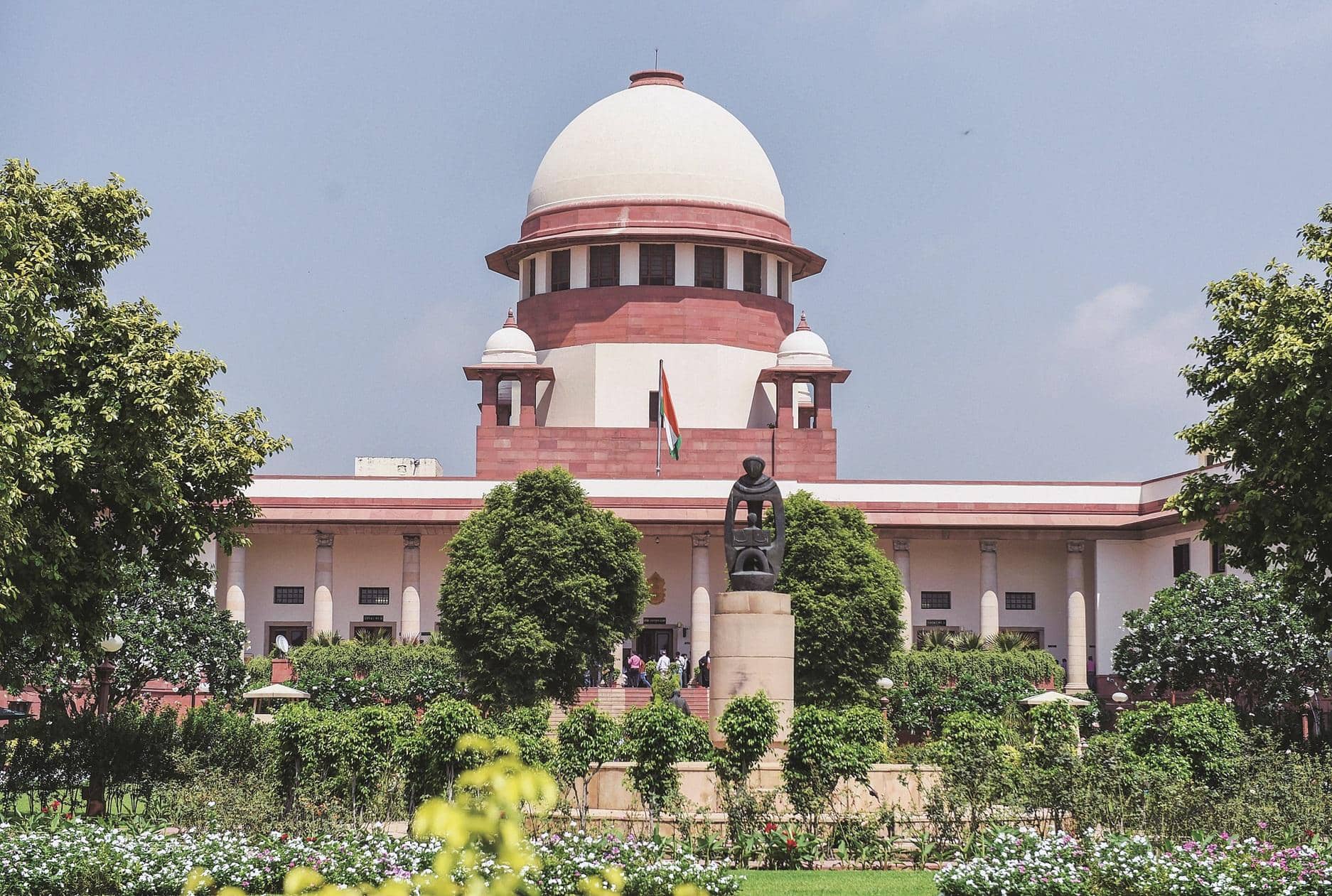
The Supreme Court of India has intervened in a case involving two accused persons detained in connection with an alleged irregularities in Rajasthan's Jal Jeevan Mission tender process, granting them bail on the grounds that prolonged pre-trial detention amounts to punishment without due process.
The court's order addresses a fundamental principle embedded in India's criminal justice framework: that the gravity or seriousness of charges cannot, by itself, justify keeping an accused person in custody indefinitely. The judges emphasized that such detention must remain limited in scope and duration, with clear justification provided at each stage.
The Jal Jeevan Mission, a central government programme aimed at providing piped water supply to rural households, has faced scrutiny in Rajasthan over alleged procedural lapses in its tender awarding process. The two accused had challenged their continued detention as unjustified.
The Supreme Court's decision reaffirms established jurisprudence that pre-trial detention serves specific purposes—securing the accused's presence during proceedings and preventing tampering with evidence—rather than serving as an advance penalty. Constitutional safeguards mandate that courts regularly review the necessity of continued custody.
The ruling carries implications for criminal proceedings across India, reinforcing judicial oversight of detention practices and the presumption of innocence that must govern all stages before trial completion.