Politics · India Bureau
Supreme Court Rules Society Status No Shield From Constitutional Oversight
The Supreme Court has clarified that government-controlled bodies cannot evade constitutional scrutiny merely by adopting a society structure. The ruling establishes that receiving state grants or performing public functions alone does not automatically constitute an entity as an arm of the State.
LSN India ·
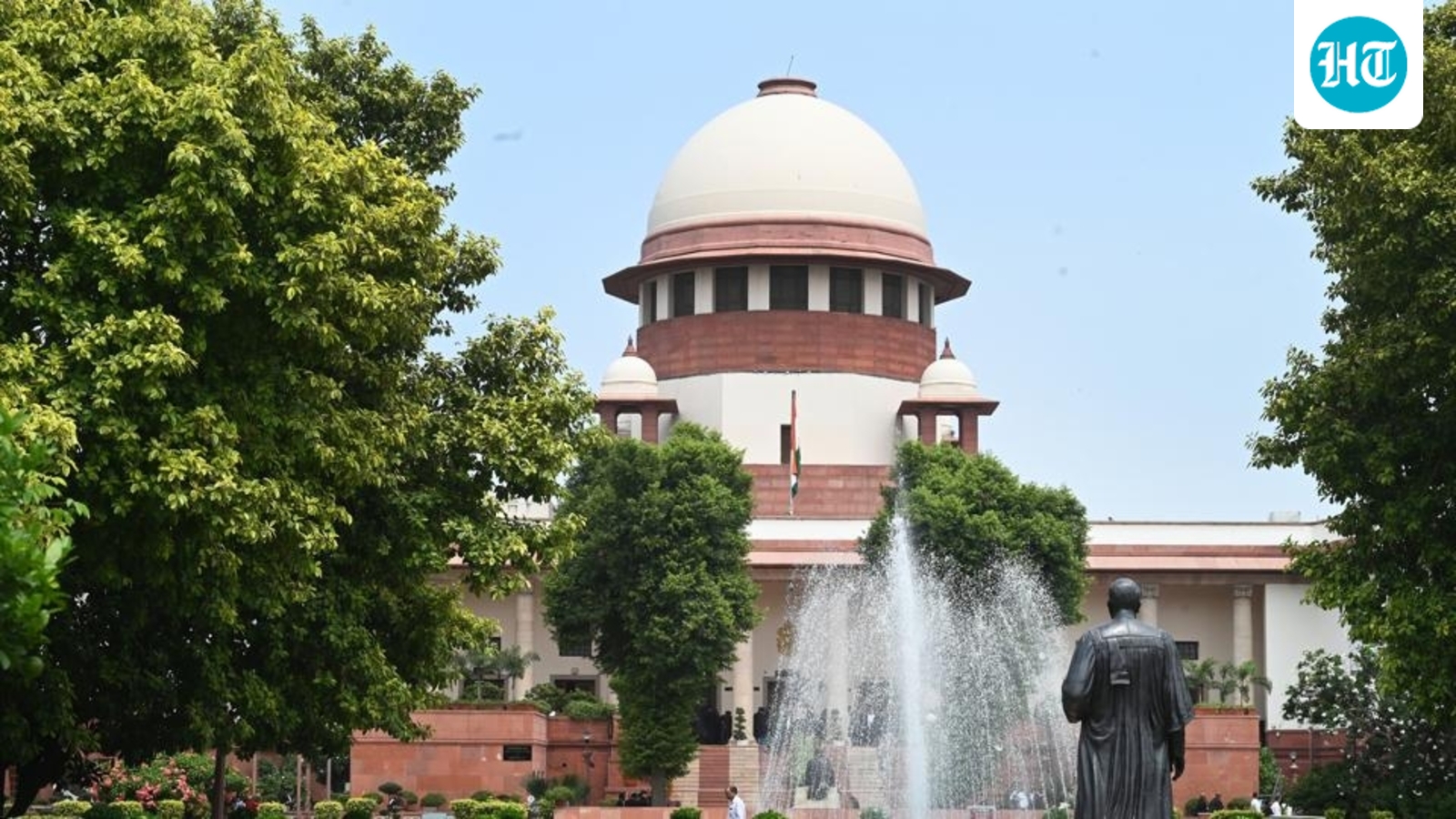
In a significant judgment addressing the nature of institutional accountability, the Supreme Court has ruled that organisations cannot escape constitutional review by claiming society status, even when substantially funded or controlled by the government.
The court's clarification addresses a longstanding ambiguity in administrative law regarding the classification of government-backed entities. The bench noted that the formal legal structure of an organisation—whether registered as a society, trust, or other entity—cannot serve as a blanket protection against judicial scrutiny under the Constitution.
Central to the court's reasoning is the distinction between form and substance. While government grants and the performance of public functions are relevant factors in determining an entity's nature, they do not automatically confer State status or, conversely, shield from constitutional obligations. The court emphasized that the actual degree of government control, functional autonomy, and the nature of public interest involved must be examined case by case.
The judgment carries implications for numerous bodies operating in the health, education, and social sectors that receive substantial public funding while maintaining formal independence through society registration. Legal experts suggest the ruling strengthens mechanisms for constitutional accountability across institutions that exercise significant public responsibility.
The Supreme Court's position aligns with international jurisprudence recognizing that constitutional principles must adapt to prevent institutional structures from becoming vehicles for circumventing fundamental rights and democratic oversight.