Politics · India Bureau
Supreme Court's Article 142 power: Scope and limits explained
The Supreme Court recently invoked Article 142 to quash FIRs against NEET protesters, reigniting debate over the constitutional provision's expansive reach. Legal experts weigh in on how far this power extends and where safeguards lie.
LSN India ·
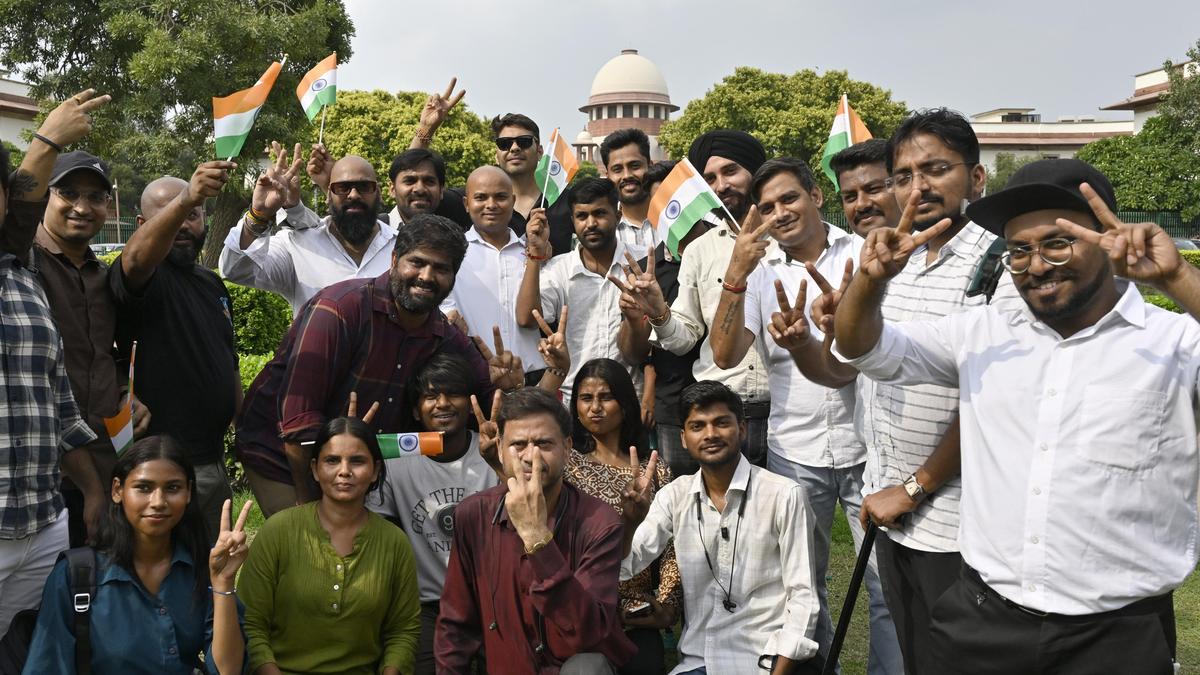
Article 142 of the Indian Constitution grants the Supreme Court extraordinary discretionary powers to pass orders it deems necessary to secure complete justice in any case before it. The provision has emerged as a potent instrument in the Court's hands, allowing it to intervene in matters that might otherwise fall outside conventional judicial purview, from environmental protection to public interest litigation. When the Court recently utilized this article to quash first information reports filed against NEET examination protesters, it underscored both the provision's flexibility and the ongoing controversy surrounding its application.
The constitutional article empowers the Supreme Court to direct individuals to do any act that appears necessary for complete justice, effectively enabling judicial creativity in remedying wrongs. Supporters argue this provision serves as a safety valve, allowing courts to address gaps in existing laws and deliver equitable outcomes in extraordinary circumstances. The quashing of FIRs against NEET protesters exemplified this approach, with the Court apparently prioritizing the substantive grievances of the demonstrators over procedural formalities.
However, legal scholars have repeatedly flagged concerns about the provision's potential for misuse. Critics contend that unfettered reliance on Article 142 could undermine the separation of powers, effectively allowing the judiciary to legislate or override legislative intent. The absence of clear, binding precedents establishing the limits of this power has created uncertainty about where the Court should draw boundaries. Some judgments cite the need for proportionality and adherence to constitutional principles, yet these remain somewhat fluid standards open to interpretation.
Legal experts generally agree that Article 142 should be invoked sparingly, primarily in circumstances where strict application of existing laws would produce manifestly unjust results. The provision works best as an exception rather than a routine tool, observers suggest, and should remain subject to constitutional checks such as respect for statutory frameworks and democratic processes. As the Supreme Court continues deploying this power in high-profile cases, the question of appropriate restraint remains a subject of considerable academic and judicial discourse in Indian legal circles.