Politics · India Bureau
Supreme Court seeks balance between firecracker traditions and health concerns
India's top court has questioned the religious necessity of bursting firecrackers while cautioning against unenforceable blanket bans, suggesting public education as a better approach to reducing harmful practices during festivals.
LSN India ·
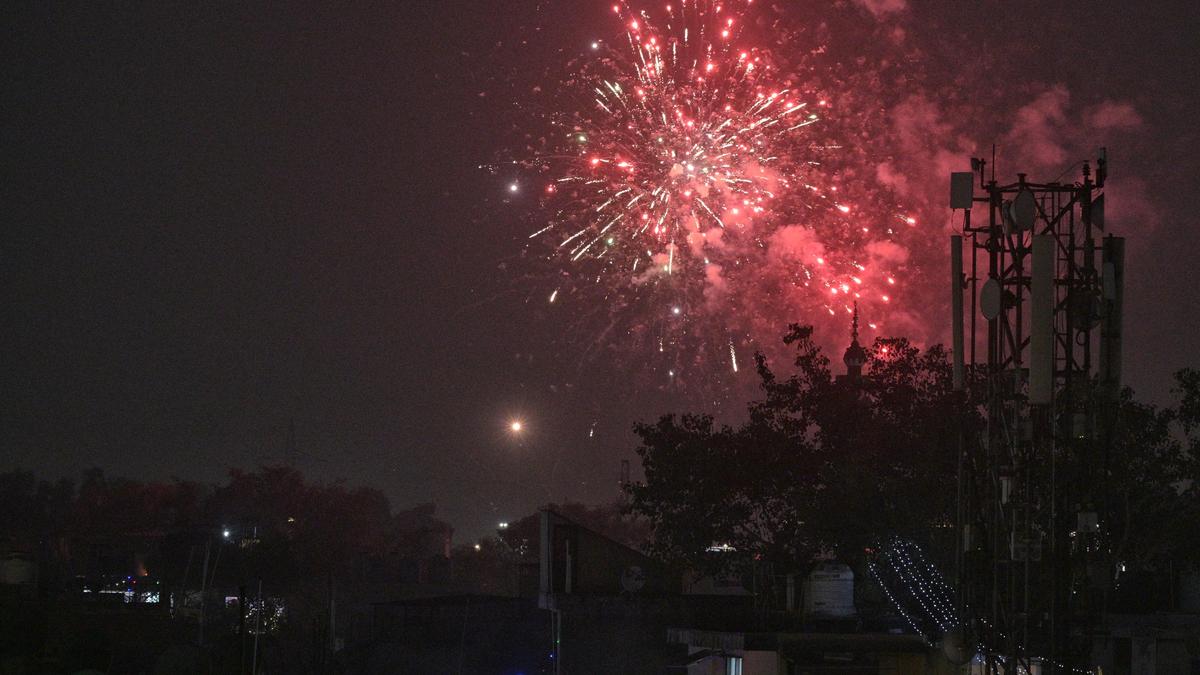
The Supreme Court of India on Tuesday grappled with the contentious issue of firecracker usage during religious celebrations, seeking a middle ground between cultural traditions and public health imperatives. Justice Joymalya Bagchi raised pointed questions about the religious basis for bursting firecrackers, suggesting that such practices may lack essential theological grounding. The remarks underscore growing judicial concern about the health and environmental consequences of widespread firecracker use across the nation.
Chief Justice of India cautioned against imposing outright restrictions that prove difficult to enforce on the ground, noting that blanket prohibitions often fail to achieve their intended objectives. The CJI's observations reflected awareness of the practical challenges in implementing firecracker bans across diverse communities and regions where such traditions remain deeply embedded in festival celebrations.
The court indicated that public education and awareness campaigns represent a more viable path forward than unenforceable restrictions. The suggested approach would focus on encouraging citizens to voluntarily reject the most harmful varieties of firecrackers while respecting legitimate cultural and religious observances. This reflects the judiciary's recognition that lasting social change requires community participation rather than top-down mandates.
The discussion highlighted the ongoing tension between India's commitment to public health and environmental protection, and the preservation of traditional festival practices. The court's balanced stance suggests future policy interventions may prioritize gradual behavioural change through education over sweeping legal prohibitions that prove difficult to implement uniformly across the country.