Politics · India Bureau
Supreme Court seeks government reply on pleas against Vande Mataram as national song
The Supreme Court has called for a government response to petitions challenging the status of Vande Mataram as the national song, with petitioners arguing it violates religious freedom by promoting sectarian worship.
LSN India ·
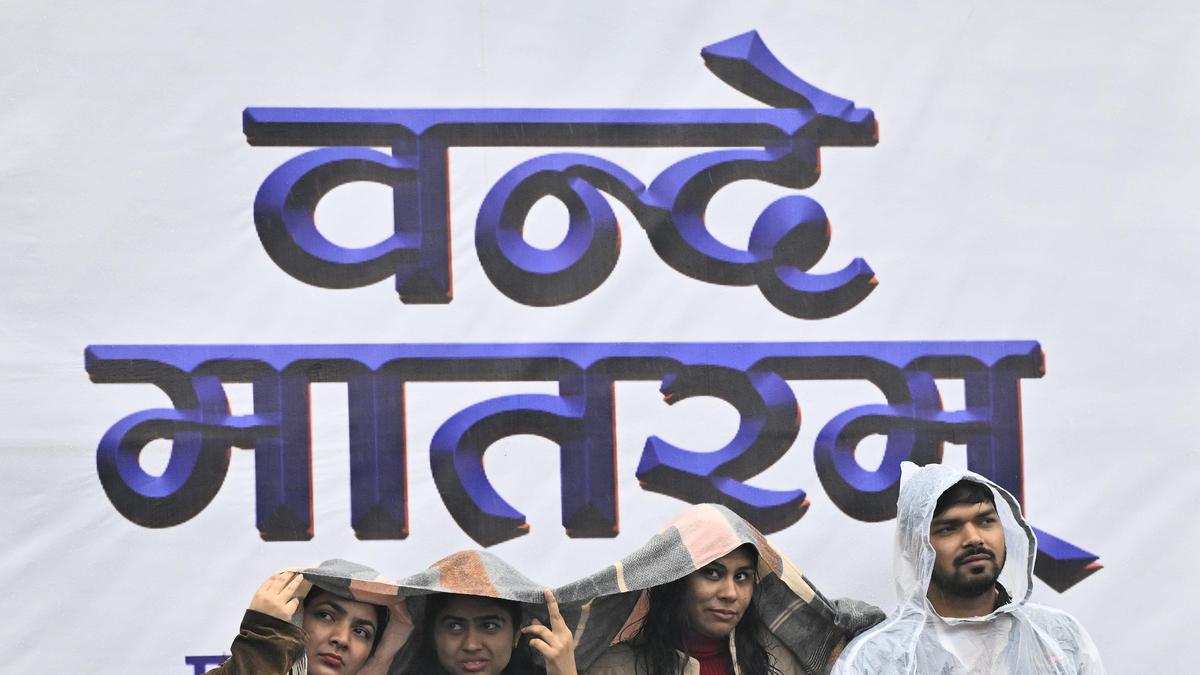
The Supreme Court has sought the government's response to multiple petitions challenging the constitutional and legal status of Vande Mataram as India's national song. The pleas contend that government directives elevating the composition to this status effectively impose a "sectarian prayer to particular goddesses of one particular religion" in violation of fundamental rights guaranteed under the Indian Constitution.
According to the petitioners, the imposition of Vande Mataram as a national symbol raises concerns about religious pluralism and constitutional guarantees of freedom of religion. The petitions argue that the government's actions in promoting the song have created potential violations of citizens' fundamental rights and may have attracted implications under criminal law.
The bench has issued notice to the Union government, seeking its formal response to the contentions raised in the petitions. The case touches on the sensitive intersection of national symbols, religious identity, and constitutional protections in India's diverse society.
Vande Mataram, composed by Bankim Chandra Chatterjee in the 19th century, has held significance in Indian history as a rallying cry during the independence movement. However, its religious dimensions and contentious history have periodically sparked debate about its appropriateness as a unifying national symbol in a multi-religious nation.