Politics · India Bureau
Supreme Court seeks government response on Ramlila Maidan protest dispute
The Supreme Court has called for responses from the Centre and other stakeholders on a petition filed by traders' groups against ongoing demonstrations at Delhi's Ramlila Maidan. The bench noted that public spaces cannot be indefinitely occupied and stressed the need for designated protest periods.
LSN India ·
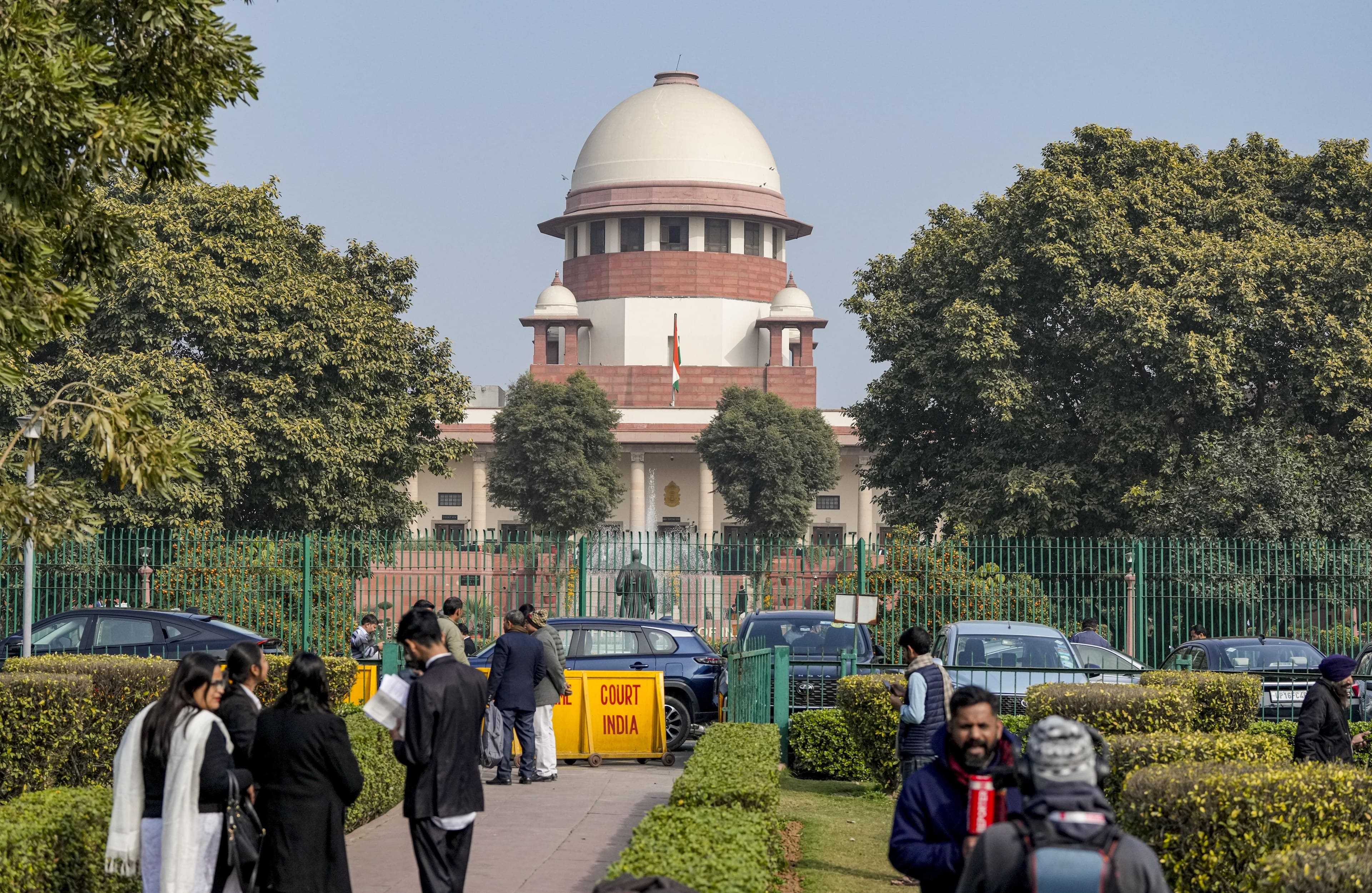
A three-judge bench headed by Chief Justice Surya Kant on Tuesday heard multiple petitions challenging the anti-chief election commissioner protests at Ramlila Maidan, directing authorities to file their responses on the matter. The plea was filed by the Kirana Committee Delhi, which alleged significant business losses due to the extended protest activity at the venue during the festive season.
The bench, also comprising justices Joymalya Bagchi and V Mohana, emphasized that public spaces cannot remain occupied indefinitely and questioned where other groups such as farmers and journalists would be able to exercise their own right to assembly. "You can't occupy a site at all times. Where will farmers, journalists, etc., go? Everyone has the right to protest. Designated time must be given for designated period," Chief Justice Kant stated during the hearing.
The court is simultaneously examining several connected issues arising from the protests, including allegations of mass detention of demonstrators, claims of police brutality, closure of Metro stations, and internet shutdowns in affected areas. The bench instructed traders' organizations to notify protest organizers to become parties to the proceedings, enabling all stakeholders to present their positions before the court.
The matter highlights the ongoing tension between the right to peaceful protest and the legitimate concerns of commercial establishments dependent on public spaces, with the Supreme Court now positioned to balance these competing interests through its judicial intervention.