Politics · India Bureau
Supreme Court seeks government response on totaliser machines in elections
The Supreme Court is examining a petition seeking to introduce totaliser machines in Indian elections, citing voter privacy concerns. The Election Commission has warned of implementation risks and cautioned against public misconceptions regarding electronic voting machines.
LSN India ·
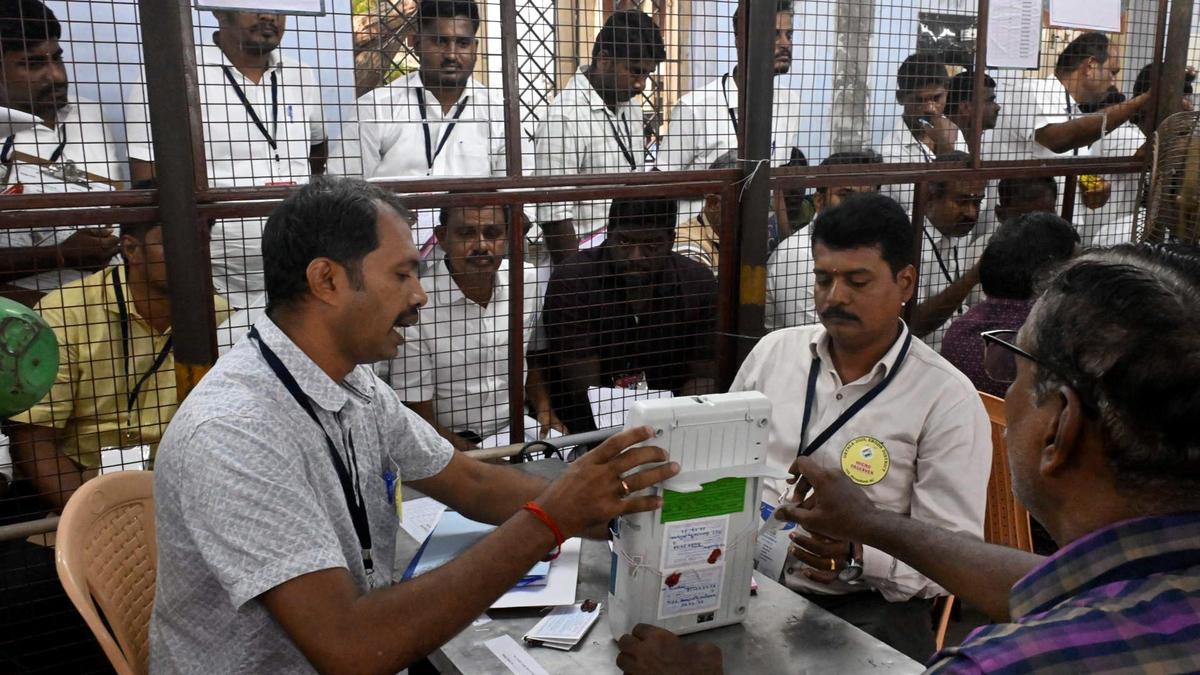
The Supreme Court on Tuesday sought the Centre's formal response on a petition proposing the use of totaliser machines in electoral processes. The petition, filed by advocate Ashwini Kumar Upadhyay, contends that totaliser machines would enhance voter privacy by concealing individual voting choices and safeguard citizens from potential reprisals based on their electoral preferences.
The Election Commission, represented before the court, highlighted significant concerns about deploying totaliser technology in India's polling framework. Officials cautioned that widespread introduction of such machines could create logistical and operational challenges given the scale of Indian elections.
The EC also flagged persistent public misconceptions regarding electronic voting machines (EVMs), noting that despite extensive documentation of their security measures and operational integrity, certain sections of the electorate remain skeptical. The commission emphasised that any shift in voting technology would require comprehensive public education campaigns and extensive field testing.
The petition represents an ongoing debate within India's electoral ecosystem about balancing transparency, voter privacy, and operational efficiency. The court's examination of the proposal suggests a willingness to re-examine electoral mechanisms, though any systemic changes would likely require substantial consensus among electoral administrators and policymakers.
The hearing underscores continuing discussions about modernising India's electoral infrastructure while maintaining public confidence in the democratic process. The Supreme Court is expected to deliver its preliminary observations once the Centre files its response to the petition.