Politics · India Bureau
Supreme Court Sets Five Conditions on Delhi Protest Restrictions
India's apex court has issued directives to ensure minimal disruption during ongoing demonstrations in Delhi, ordering authorities to maintain normal metro operations and internet connectivity. The order follows mass detentions of thousands of protesters on Saturday.
LSN India ·
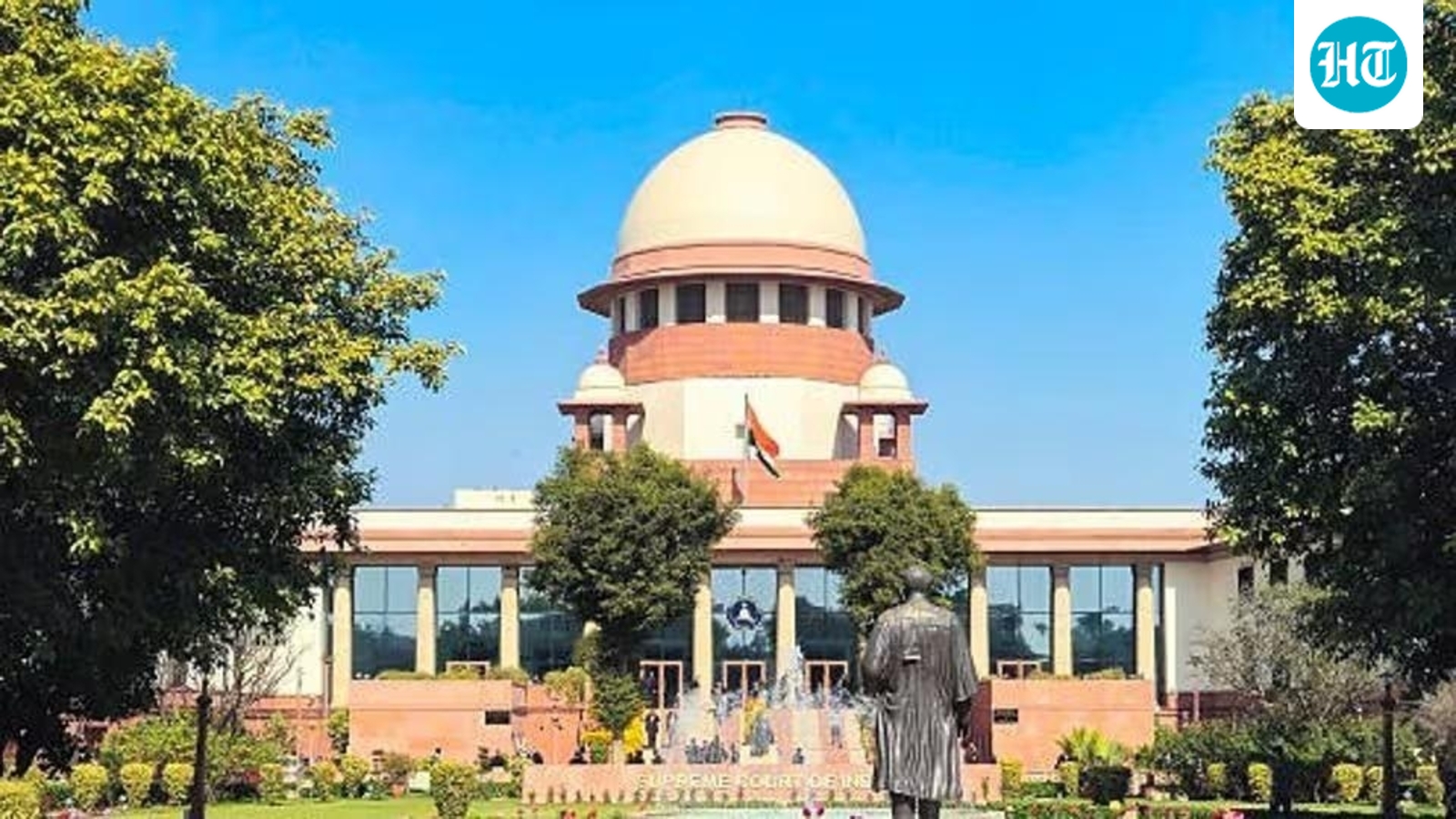
The Supreme Court of India has laid down five key conditions for authorities managing restrictions related to ongoing protests in Delhi, emphasizing the need to balance public order with citizens' fundamental rights.
Among the directives, the court mandated that metro services must operate normally, movement of citizens should remain unrestricted, and internet connectivity must not be disrupted. The orders reflect judicial concern over heavy-handed administrative responses to demonstrations.
The directives came one day after approximately 7,000 individuals were detained across Delhi on Saturday during protests against Chief Election Commissioner Gyanesh Kumar. The mass detentions had drawn criticism from civil liberties groups regarding the proportionality of state action.
The court's intervention represents an attempt to establish clear parameters for law enforcement, ensuring that security measures do not unnecessarily impinge on essential services and constitutional freedoms. Authorities have been directed to implement the conditions while managing any public order concerns.
The ruling underscores the judiciary's role in mediating between state security imperatives and citizen protections during periods of civic unrest, setting precedent for handling future demonstrations across major Indian cities.