Politics · India Bureau
Supreme Court shocked by tenfold markup on cancer drug prices
India's apex court has expressed alarm at a stark pricing disparity for essential cancer medications, where retailers charge patients ten times the wholesale acquisition cost. The bench questioned how such markups on life-saving drugs could be permitted under existing regulations.
LSN India ·
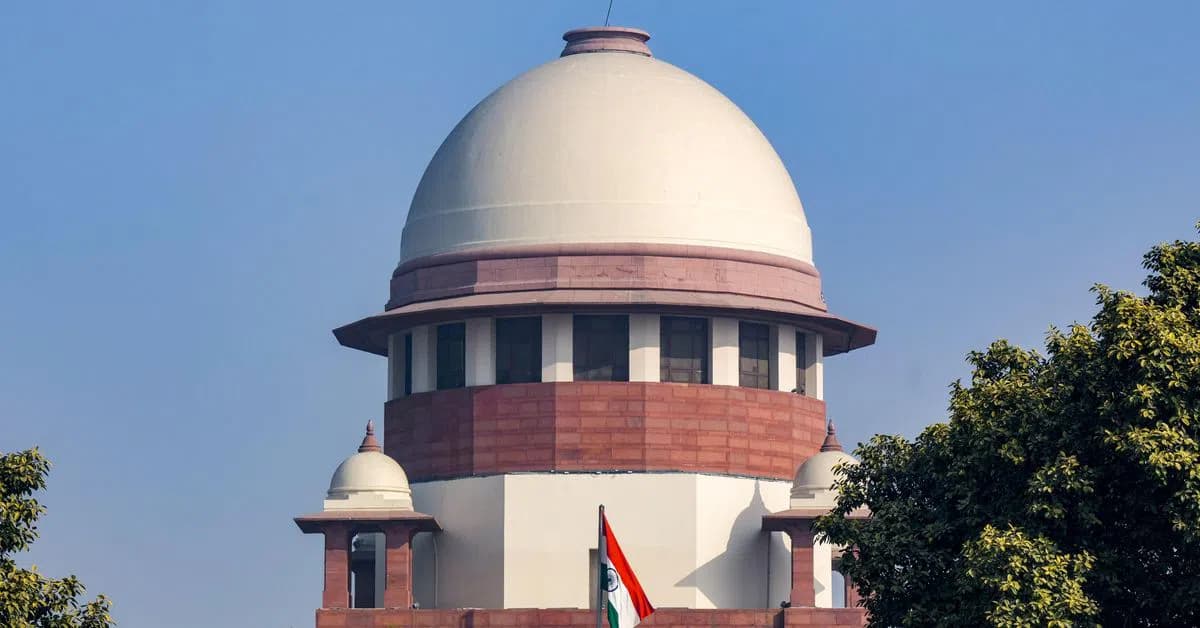
The Supreme Court of India has raised serious concerns about the massive price differential between what retailers charge patients and what distributors pay for critical cancer treatments. During hearings, the bench noted that a cancer drug carried a printed maximum retail price of ₹27,000 while wholesalers were acquiring the same medication for just ₹2,700—a tenfold disparity that the court termed "absolutely shocking."
The court's intervention highlights ongoing tensions between pharmaceutical pricing regulations and market realities in India's drug distribution system. Cancer medications, classified as essential medicines, are subject to price controls under the Drugs (Price Control) Order, yet significant variations persist across the supply chain from manufacturer to end consumer.
The wide gap raises questions about whether current regulatory mechanisms are effectively preventing excessive markups at the retail level. Industry observers note that India's pharmaceutical supply chain involves multiple intermediaries, each adding their own margins, though such substantial differences for price-controlled drugs warrant scrutiny.
The bench has signaled its intent to examine how such pricing anomalies occur and whether stricter oversight mechanisms are needed. The case underscores the broader challenge of ensuring that price-controlled essential medicines remain affordable and accessible to cancer patients across the country, particularly those from economically disadvantaged backgrounds.