Politics · India Bureau
Supreme Court Takes Neutral Stand on Citizenship Form Modifications
India's top court has clarified it has neither endorsed nor rejected changes made to citizenship application forms requiring genealogical documentation. The modifications, implemented in July through the Election Commission's online portal, mandate applicants to furnish ancestry details or establish linkage to previous electoral rolls.
LSN India ·
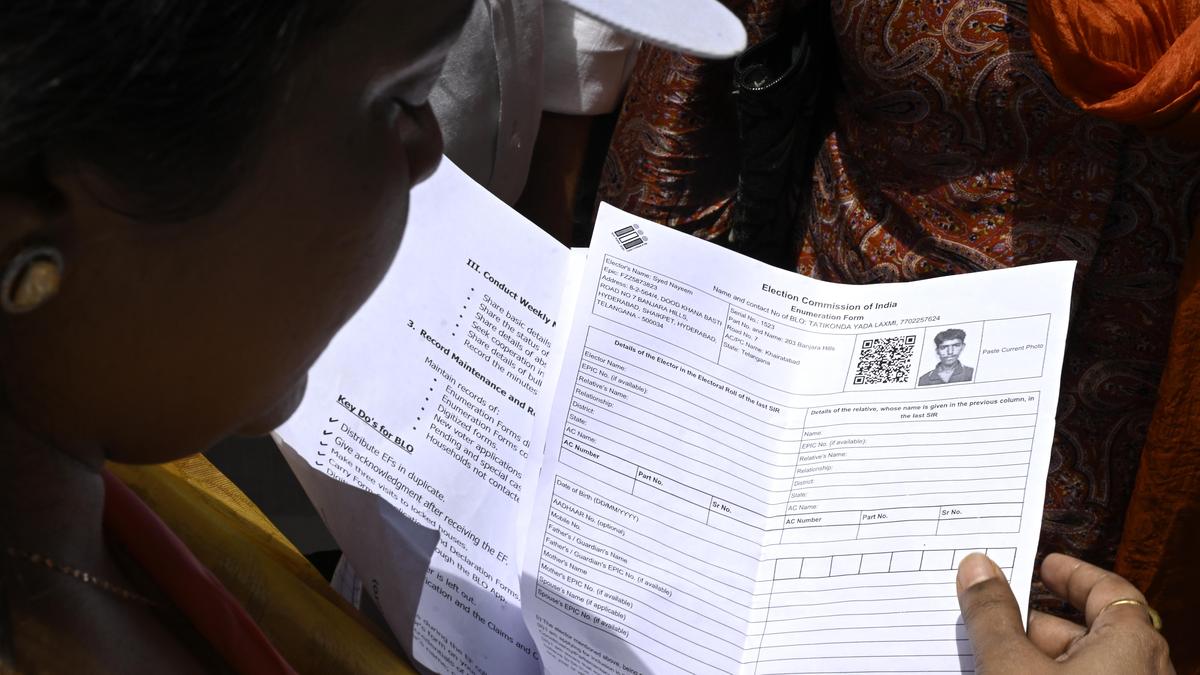
The Supreme Court has adopted a measured position regarding alterations introduced to citizenship application procedures, steering clear of explicit approval or disapproval of the modifications. The changes in question were rolled out in July via the ECINet portal operated by the Election Commission, introducing fresh requirements for citizenship applicants.
Under the revised framework, individuals seeking citizenship must now provide detailed ancestry information or demonstrate verifiable connections to earlier iterations of the Special Integrated Register (SIR). These genealogical requisites have become mandatory components of the application process through the commission's digital infrastructure.
The apex court's clarification suggests a deliberate neutrality on the procedural modifications, indicating neither endorsement of the stricter documentation standards nor rejection of the electoral body's authority to implement such changes. This stance leaves the modified requirements in effect while avoiding judicial pronouncement on their merit.
The move reflects the court's approach to allowing administrative bodies operational latitude in managing citizenship-related procedures, while maintaining its supervisory jurisdiction over potential constitutional concerns. Legal observers note the clarification underscores the distinction between administrative implementation and judicial validation of government procedures.