Politics · India Bureau
Supreme Court to hear plea on aviation accessibility gaps for disabled travellers
India's top court will examine widespread complaints that disabled passengers face systematic barriers throughout the air travel journey. The petition alleges critical accessibility failures across booking, airport navigation, security screening, and in-flight services.
LSN India ·
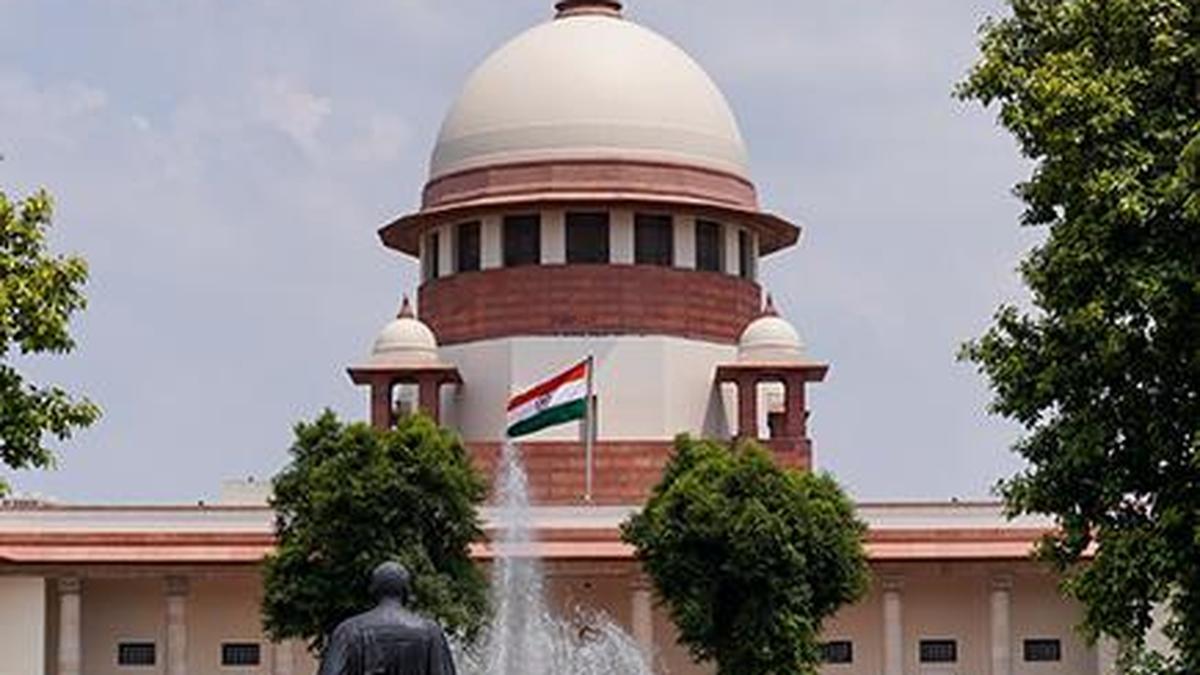
The Supreme Court of India is set to examine a public interest petition highlighting systemic failures in implementing accessibility standards for disabled air travellers across the country's aviation sector.
The plea documents widespread compliance gaps that affect passengers at every stage of air travel. Accessibility barriers persist during online booking and web-based check-in processes, airport entry and terminal navigation, counter check-in procedures, security screening operations, and Digi Yatra digital processing systems. The petition further identifies shortcomings in immigration facilities, boarding procedures, in-flight service provision, and arrival assistance.
The petition characterises the situation as a nationwide failure to implement established accessibility norms consistently across all airlines and airports. Rather than isolated instances, the plea suggests these gaps reflect structural inadequacies in how India's aviation infrastructure has been developed and operated during the country's recent aviation expansion.
Accessibility advocates have long argued that disabled travellers face disproportionate challenges when using air transport, often requiring alternative arrangements or assistance from family members to navigate standard procedures. The court's decision to hear this matter could have significant implications for how India's aviation sector approaches disability inclusion standards.
The petition comes amid growing scrutiny of whether India's booming aviation industry has adequately accommodated the needs of all passengers, particularly those with mobility, sensory, and cognitive disabilities requiring specific accessibility accommodations.