Politics · India Bureau
Supreme Court to Revisit Polygamy Laws in Fresh Petitions
India's top court is examining polygamy regulations anew after fresh petitions challenge existing legal frameworks. The review comes as the court weighs competing interests between personal liberty and constitutional protections.
LSN India ·
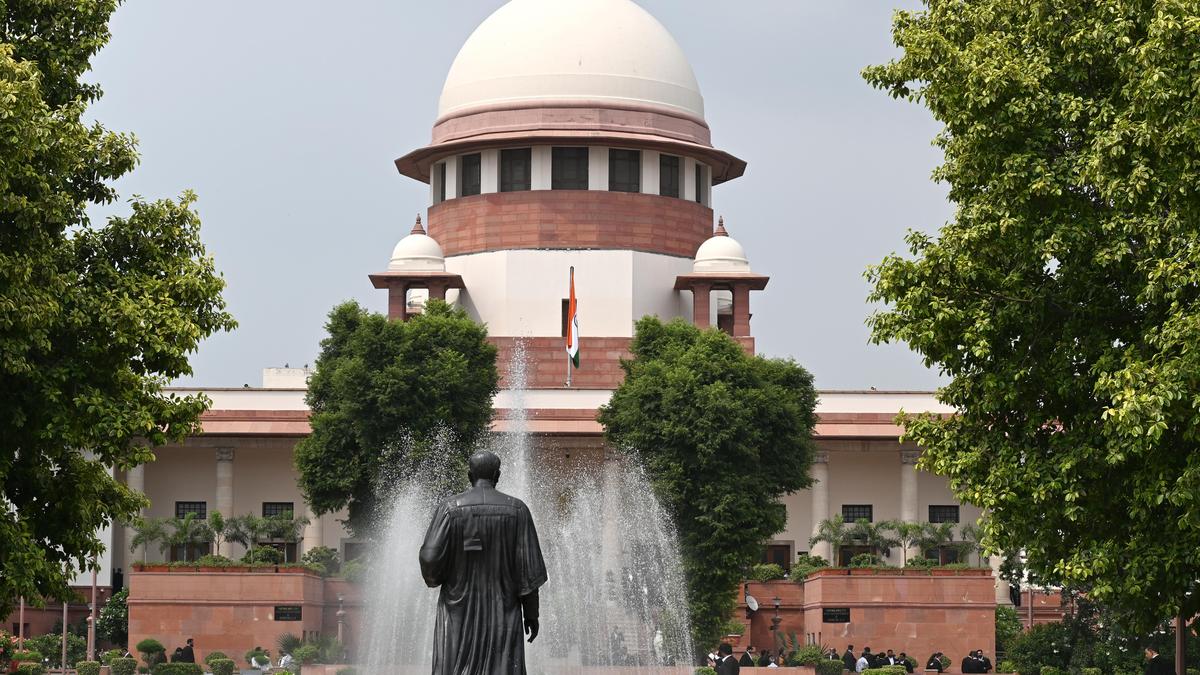
The Supreme Court of India has agreed to examine polygamy laws again, following petitions that seek clarity on the constitutional validity of existing restrictions and their application across different personal law systems.
The petitioners are arguing for a comprehensive review of how polygamy is regulated under Indian law, particularly across Hindu, Muslim, Christian and other personal law frameworks. Some have challenged the consistency of these regulations, while others seek judicial pronouncement on the constitutional permissibility of polygamous marriages under fundamental rights provisions.
Historically, the Supreme Court has ruled that polygamy is not a fundamental right protected under the Constitution. In earlier judgments, the court has upheld restrictions on polygamy, particularly in the Hindu Marriage Act, 1955, which prohibits bigamy. The court has also examined polygamy through the lens of public morality and the state's interest in regulating marital relations.
This fresh examination reflects ongoing tensions between individual liberty and state regulation of personal matters. The court will need to balance constitutional principles, existing statutory frameworks, and the diverse personal law traditions that govern Indian citizens, while considering whether current legal provisions adequately address issues of gender equality and social welfare.
The court's fresh consideration may result in clarifications on how polygamy laws apply uniformly across different religious communities, or may reaffirm existing precedents restricting such marriages in Indian jurisprudence.