Politics · India Bureau
Supreme Court to rule on EY's US salary reimbursement tax treatment
India's apex court will examine whether Ernst & Young's reimbursement of US salaries for employees stationed in India constitutes taxable technical service fees under the bilateral tax treaty. The ruling could have significant implications for multinational consulting firms operating in the country.
LSN India ·
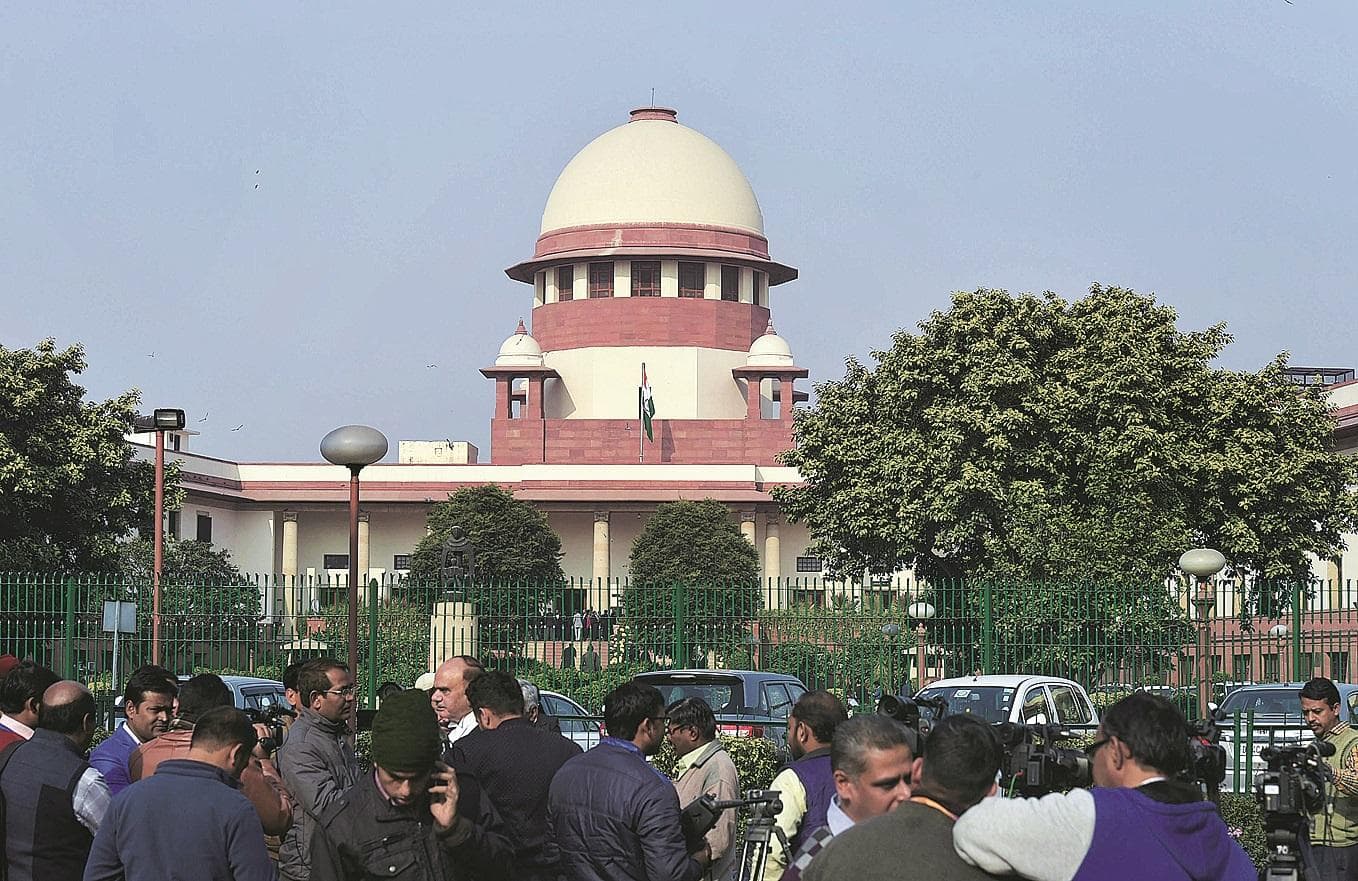
The Supreme Court has agreed to adjudicate a critical taxation matter concerning Ernst & Young (EY), focusing on whether salary costs reimbursed to the firm's US parent for staff deputed to Indian entities should be classified as taxable professional fees under the India-US tax treaty.
At issue is the tax treatment of remuneration payments made by Indian subsidiaries or clients to EY's US operations for seconded employees. The case will determine whether such reimbursements qualify as "fees for technical services" under the treaty's provisions, which would trigger tax obligations in India.
The matter carries broader implications for India's consulting and professional services sector, where multinational firms routinely second international staff to client locations. A court determination on the taxability of such arrangements could reshape cost structures and compliance obligations across the industry.
The Supreme Court's examination of this question follows divergent positions taken by Indian tax authorities and EY regarding the appropriate characterisation and taxation of these reimbursement payments. Legal experts note the ruling will provide clarity on how India's tax regime applies to cross-border technical services and deputation arrangements under the bilateral treaty framework.
The court is expected to issue its judgment following comprehensive arguments from both parties on the interpretation of relevant treaty provisions and applicable Indian tax law.