Politics · India Bureau
Supreme Court upholds equal access to justice, rejects priority plea
The Supreme Court has declined to grant preferential treatment to a judicial officer's petition, reaffirming the principle that all litigants have equal rights to justice regardless of their professional status.
LSN India ·
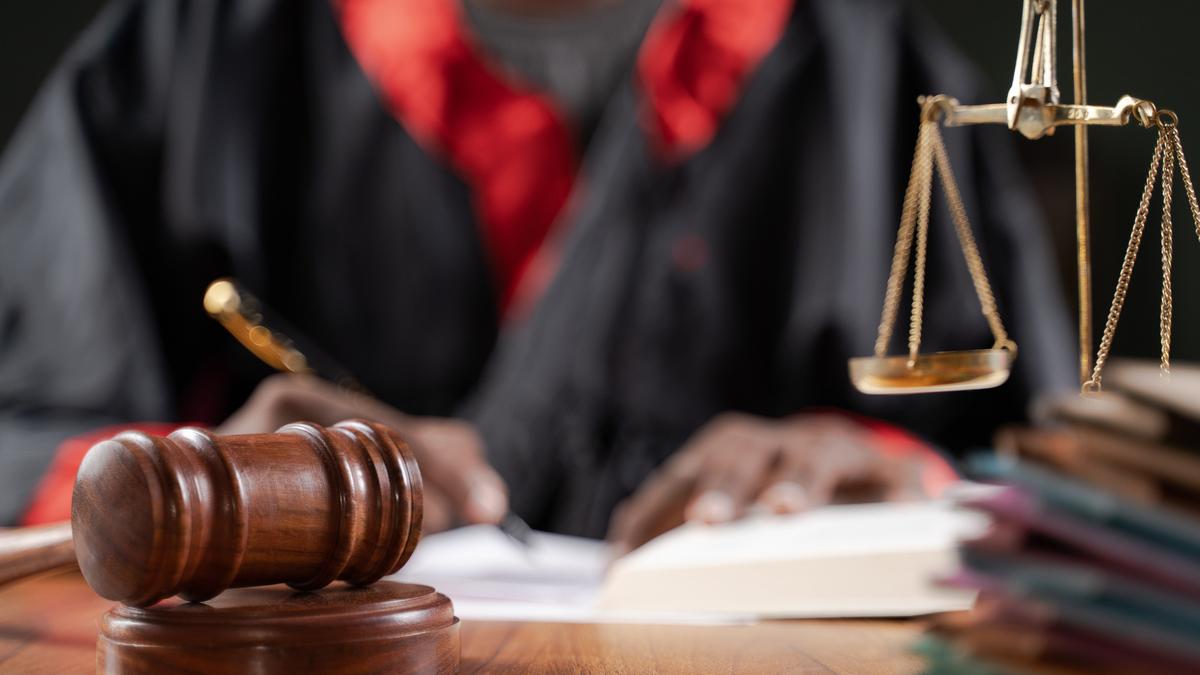
The bench hearing the matter observed that according priority to any individual petitioner would compromise fairness to the numerous other litigants awaiting their turn for adjudication. The court's decision underscores a fundamental principle of the Indian judicial system: that access to justice cannot be arbitrarily accelerated for some at the expense of others.
The judicial officer had sought expedited consideration of their plea, arguing for special treatment based on their professional standing. However, the court rejected this reasoning, emphasizing that the queue system for hearing petitions serves a crucial purpose in maintaining equitable access across the judiciary.
This ruling reflects the Supreme Court's consistent stance on protecting the sanctity of the judicial process. By refusing to create exceptions based on professional status or other considerations, the bench reinforced that justice must remain impartial and accessible to all citizens on equal terms.
The decision carries significant implications for how courts handle priority requests, establishing that litigants cannot circumvent established procedures regardless of their position in society or profession. Legal experts note that such rulings are essential to maintaining public confidence in the impartiality of the judicial system.